Can You Bring A Blender On A Plane? TSA Rules and Packing Guidelines
Quick Answer
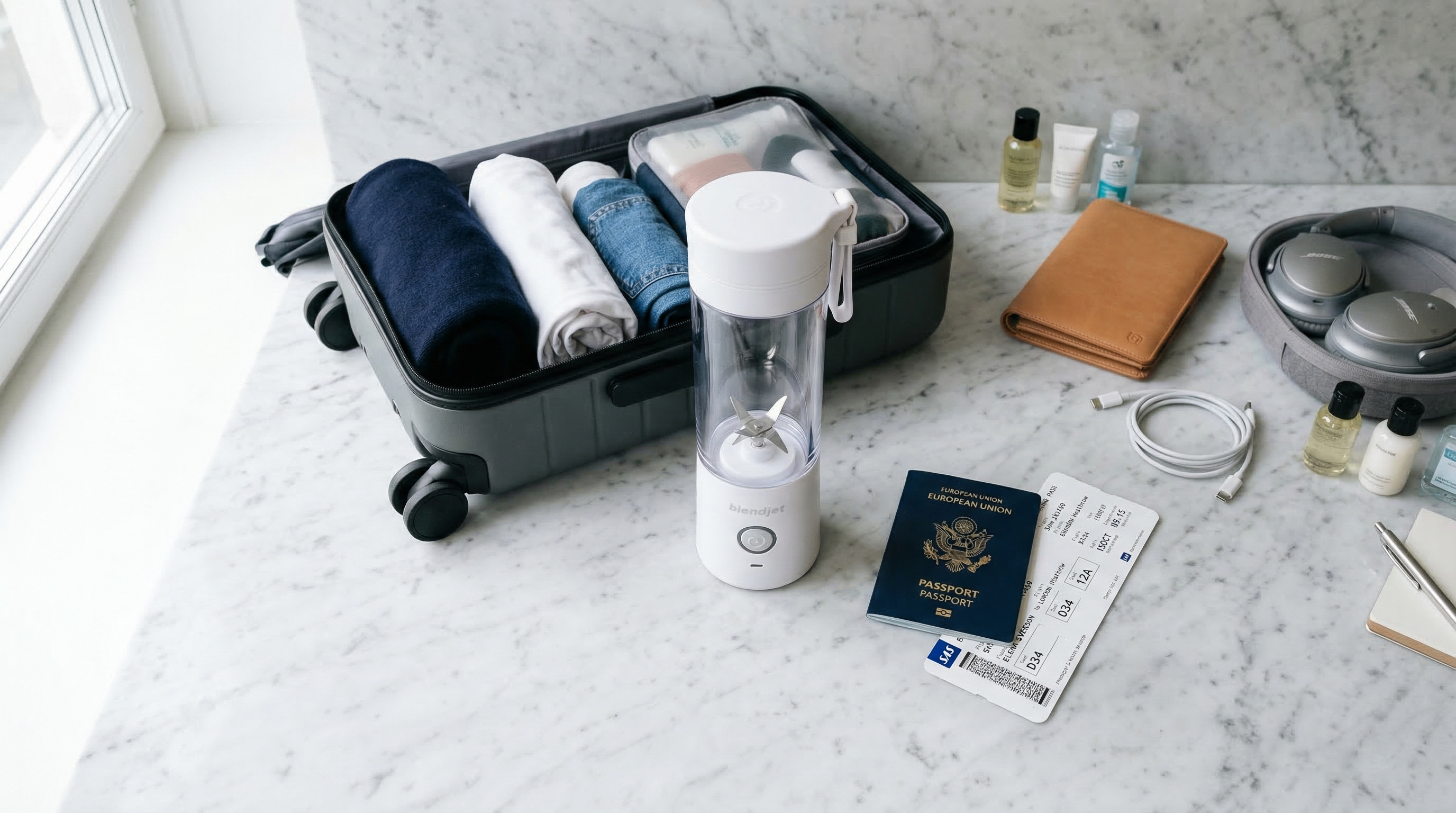
Yes, you can bring a blender on a plane, but it must go in checked baggage due to its sharp blades. Personal-sized blenders and immersion blenders follow the same TSA rules and cannot be carried in your carry-on luggage.
TSA Rules for Blenders: The Basic Answer
The Transportation Security Administration (TSA) has clear guidelines regarding blenders and air travel. Blenders are prohibited in carry-on luggage but are allowed in checked baggage. This restriction applies to all types of blenders, including full-size countertop models, personal blenders, immersion blenders, and bullet-style blenders.
The primary reason for this restriction is the sharp blades that all blenders contain. These blades are considered potential security threats and fall under the TSA's prohibited sharp objects category. Even small, travel-sized blenders with seemingly harmless blades must be packed in checked luggage.
Why Blenders Are Restricted in Carry-On Luggage
The TSA's restriction on blenders in carry-on luggage stems from their comprehensive policy on sharp objects. Blender blades, regardless of size, are designed to cut and chop, making them potential weapons in the wrong hands. This security measure ensures passenger safety by preventing any objects that could be used to harm others from entering the aircraft cabin.
The restriction applies even if:
- The blender is small or travel-sized
- The blades are covered or protected
- The blender is disassembled
- You have a medical need for the blender
- The blender is brand new and still in packaging
TSA agents are trained to identify these items during the security screening process, and attempting to bring a blender through security will result in confiscation of the item.
Types of Blenders and Their Travel Status
Full-Size Countertop Blenders
Traditional countertop blenders are large appliances that must be packed in checked baggage. These blenders typically weigh several pounds and have powerful motors along with sharp metal blades. When packing a full-size blender in checked luggage, ensure it's well-protected with bubble wrap or clothing to prevent damage during handling.
Personal and Single-Serve Blenders
Popular brands like NutriBullet, Magic Bullet, and similar personal blenders are also subject to the same restrictions. Despite their compact size and convenience for travel, these blenders contain sharp blades and must go in checked baggage. Many travelers mistakenly assume these smaller blenders might be allowed in carry-on luggage, but the TSA makes no exceptions based on size.
Immersion Blenders (Stick Blenders)
Handheld immersion blenders, also called stick blenders, are prohibited in carry-on luggage despite their slender profile. The exposed blades at the end of these devices make them subject to the same restrictions as larger blenders. Even with blade guards or protective covers, these items must be packed in checked baggage.
Battery-Powered and Cordless Blenders
Cordless blenders present additional considerations beyond just the blade restriction. If your blender contains lithium batteries, you'll need to follow specific guidelines for battery transport. Generally, devices with lithium batteries should have the batteries removed if possible, and spare batteries should be carried in carry-on luggage rather than checked baggage.
Proper Packing Techniques for Checked Baggage
When packing your blender in checked luggage, proper preparation is essential to prevent damage and ensure safe transport. Follow these guidelines for optimal results:
Cleaning and Preparation
Thoroughly clean your blender before packing to remove any food residue or odors. Dry all components completely to prevent moisture damage during transport. If your blender has removable parts, consider whether to disassemble it for more compact packing.
Protective Wrapping
Wrap the blender and its components in bubble wrap, towels, or clothing to provide cushioning. Pay special attention to protecting the blades, as they can be damaged by impact or could potentially damage other items in your luggage. Consider placing blade assemblies in hard-sided containers for extra protection.
Secure Positioning
Place the blender in the center of your suitcase, surrounded by soft items like clothing. Avoid positioning it near the edges where it might experience more impact during handling. If you're packing multiple electronic items, ensure they're separated to prevent damage from contact with each other.
International Travel Considerations
When traveling internationally with a blender, research the regulations of your destination country. Some countries have restrictions on importing electrical appliances, and you may need to declare the item at customs. Additionally, consider the electrical compatibility – blenders designed for North American outlets may not work in countries with different electrical systems without appropriate adapters or converters.
Voltage and Plug Compatibility
Most North American blenders operate on 110-120 volts, while many other countries use 220-240 volts. Using a blender designed for 110 volts in a 220-volt system can damage the motor. Research the electrical standards of your destination and consider whether it's practical to bring your blender or if purchasing one locally would be more sensible.
Customs Declarations
Some countries require travelers to declare electrical appliances, especially if they're new or expensive. Keep receipts and be prepared to explain the purpose of bringing the blender, particularly if you're carrying it for personal use versus commercial purposes.
Alternatives for Frequent Travelers
Shipping Your Blender
For long-term travel or relocation, consider shipping your blender separately rather than including it in your luggage. Shipping services often provide better protection for fragile items and eliminate the weight restrictions of airline baggage. This option is particularly useful for expensive or sentimental appliances.
Purchasing at Your Destination
For extended stays, buying a blender at your destination might be more practical than traveling with one. This approach eliminates baggage weight concerns, potential damage during transport, and electrical compatibility issues. You can often find affordable options at local retailers or through online marketplaces.
Travel-Friendly Alternatives
Consider alternative appliances that might better suit your travel needs. Manual alternatives like shaker bottles with mixing balls, collapsible silicone containers, or simple whisk attachments can provide some blending functionality without the sharp blade restrictions. While these won't replace a full blender's capabilities, they might suffice for basic mixing needs while traveling.
What Happens If You Accidentally Pack a Blender in Carry-On
If you accidentally attempt to bring a blender through security in your carry-on luggage, TSA agents will identify it during the screening process. You'll have several options:
- Check the bag: If you have checked baggage, you may be able to transfer the blender to your checked luggage, though this process can be time-consuming and may require additional fees
- Ship it home: Some airports offer shipping services where you can mail the item to yourself, though this can be expensive
- Give it to someone: If someone is seeing you off at the airport, they might be able to take the blender for you
- Surrender the item: Unfortunately, you may need to surrender the blender to TSA if no other options are available
The best approach is to plan ahead and pack your blender in checked baggage from the start to avoid these complications and potential delays.
Special Circumstances and Exceptions
Medical Needs
Even if you have a medical condition that requires specific dietary preparations involving a blender, TSA does not make exceptions for carrying blenders in the cabin. However, you should contact TSA Cares in advance if you have special circumstances. They can provide guidance on the screening process and may offer additional assistance, though the blender will still need to go in checked baggage.
Commercial or Professional Use
Professional chefs, nutritionists, or others who travel with blenders for work purposes must still follow standard TSA guidelines. There are no exceptions for professional or commercial use when it comes to carry-on restrictions. Consider the cost-benefit analysis of checking expensive professional equipment versus purchasing or renting equipment at your destination.
Tips for Hassle-Free Blender Travel
To ensure smooth travel with your blender, follow these expert recommendations:
- Check airline weight limits: Blenders can be heavy, so verify that your checked bag won't exceed weight restrictions
- Consider travel insurance: If you're bringing an expensive blender, ensure your travel insurance covers potential damage or loss
- Pack strategically: Use the blender's internal space to pack smaller items, maximizing your luggage efficiency
- Document your item: Take photos of your blender before packing in case you need to file a damage claim
- Research local options: Before traveling, research where you could purchase a replacement if your blender is damaged or lost
Remember that airline baggage handlers process thousands of bags daily, and while most items arrive safely, fragile electronics like blenders can be susceptible to damage. Proper packing and realistic expectations will help ensure a better travel experience.
Frequently Asked Questions
Can I bring a small personal blender like a NutriBullet in my carry-on?
No, all blenders including small personal blenders must be packed in checked baggage due to their sharp blades, regardless of size.
What if my blender has removable blades - can I pack them separately?
No, even removable blender blades are prohibited in carry-on luggage and must be packed in checked baggage along with the blender base.
Are there any types of blenders allowed in carry-on luggage?
No, TSA prohibits all types of blenders in carry-on luggage, including full-size, personal, immersion, and battery-powered models due to safety concerns about sharp blades.
Written by Aviation Experts
Aviation Professionals
With decades of combined experience in the aviation industry, our team shares insider knowledge to make your travel experience smoother and less stressful.
Was this article helpful?