Can You Get On A Plane With A Warrant?
Quick Answer
TSA doesn't specifically check for warrants — their job is aviation security, not law enforcement. But that doesn't mean you're invisible. Here's how warrants interact with air travel and what you're actually risking.
The Direct Answer
TSA does not actively check for arrest warrants. Their job is to screen for weapons, explosives, and threats to aviation security — not to enforce criminal warrants. So technically, having a warrant doesn't prevent you from buying a ticket, clearing security, and boarding a domestic flight.
But "technically" is doing a lot of heavy lifting in that sentence. There are real ways you can get caught, and the risk level depends on the type of warrant, whether you're flying domestically or internationally, and how your information is stored in law enforcement databases.
How TSA Screening Actually Works
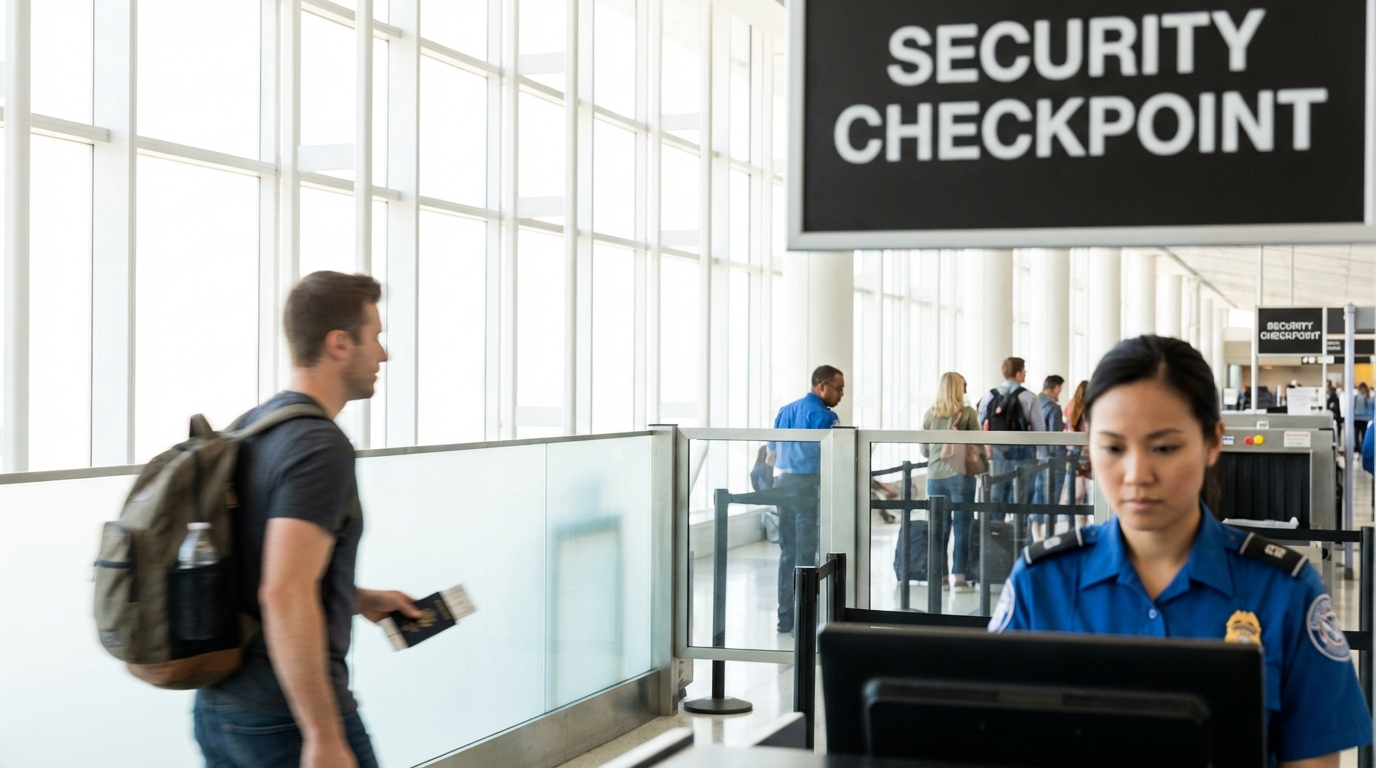
When you hand your ID to a TSA officer at the security checkpoint, they're verifying two things: that you are who you say you are, and that you're on the flight you claim to be on. They check your ID against your boarding pass.
TSA officers are not law enforcement officers. They don't have arrest authority. They don't run your name through criminal databases as part of the standard screening process.
However, there's a layer that most people don't think about. Your information is cross-referenced against the Secure Flight program, which checks passenger data against federal watch lists — the No Fly List, the Selectee List, and related databases maintained by the Terrorist Screening Center. These are terrorism and national security lists, not criminal warrant databases.
Where The Risk Actually Is
The NCIC Database
The FBI's National Crime Information Center (NCIC) is the main database where arrest warrants get logged. Here's the important distinction: not all warrants end up in the NCIC.
- Federal warrants are almost always in the NCIC
- Felony warrants from state courts are frequently entered into the NCIC
- Misdemeanor warrants are often not entered into the NCIC, especially minor ones like unpaid traffic tickets
- Local warrants may only exist in local or regional databases
Why does this matter? Because while TSA doesn't routinely check the NCIC, law enforcement officers who are present at airports absolutely can. Many airports have local police, federal air marshals, and CBP (Customs and Border Protection) officers on site who do have access to the NCIC.
Airport Law Enforcement
Every major airport has law enforcement personnel. If something during your screening triggers additional scrutiny — a random secondary screening, a behavioral flag, an ID issue — law enforcement may get involved. And when law enforcement runs your name, they check the NCIC. If your warrant is in that database, you're getting arrested at the airport.
Customs and Border Protection
This is where the risk jumps dramatically. International flights are far more dangerous for someone with a warrant. When you return to the U.S. from abroad, you must pass through Customs and Border Protection. CBP officers absolutely check law enforcement databases, including the NCIC. They have the authority and the tools to flag outstanding warrants.
Even when departing internationally, your passport gets scanned and checked against federal databases. This is a much higher-risk checkpoint than domestic TSA screening.
Domestic vs. International: The Risk Breakdown
Domestic Flights
- Misdemeanor warrant (not in NCIC): Very low risk. TSA doesn't check for it, and unless you have a separate encounter with law enforcement at the airport, it's unlikely to surface
- Misdemeanor warrant (in NCIC): Low to moderate risk. Standard TSA screening won't catch it, but any interaction with airport police could
- Felony warrant: Moderate risk. More likely to be in the NCIC. Any law enforcement contact at the airport could result in arrest
- Federal warrant: Higher risk. These are broadly accessible and taken seriously by all law enforcement agencies
International Flights
- Any warrant type: Significantly higher risk. Customs and Border Protection checks are thorough. Returning to the U.S. from abroad is particularly risky because CBP runs comprehensive database checks on every arriving passenger
- Federal or extraditable warrants: Very high risk. You may be detained at your destination country or upon re-entry to the U.S.
Can Airlines See Your Warrant?
No. Airlines don't have access to criminal databases. When you book a ticket, the airline checks your name against the Secure Flight program (the terrorism watch lists) because the TSA requires them to. But they don't check for criminal warrants, arrest records, or court orders. Your booking will go through without any issue.
What About the No Fly List?
The No Fly List is a completely separate thing from criminal warrants. It's maintained by the Terrorist Screening Center and is focused on national security threats. Having a criminal warrant — even a serious felony warrant — does not automatically put you on the No Fly List. These are different systems with different purposes.
That said, if your warrant is related to terrorism or national security charges, you could end up on the No Fly List. But a DUI warrant or missed court appearance? That's not what the No Fly List is for.
What Happens If You're Caught at the Airport?
If law enforcement at the airport discovers your outstanding warrant, here's what typically happens:
- You'll be detained by airport police or the relevant law enforcement agency
- The warrant will be confirmed with the issuing jurisdiction
- You may be arrested on the spot and taken to a local facility
- You'll miss your flight — and likely lose the cost of your ticket
- If the warrant is from another state, the issuing state will decide whether to extradite you
For minor warrants (especially misdemeanors from distant jurisdictions), many issuing courts won't bother with extradition. You might be processed locally and released. For felony warrants, extradition is much more likely.
The Smart Move
Handle your warrant before you travel. This isn't just legal advice — it's practical advice. Even if the odds of getting caught on a domestic flight are relatively low for minor warrants, the consequences of getting arrested at an airport are severe: missed flights, public embarrassment, potential jail time, and legal costs that far exceed whatever the original warrant was about.
Many jurisdictions allow you to resolve warrants by:
- Contacting the court and scheduling a new appearance date
- Posting bail or a bond to clear the warrant
- Hiring an attorney to handle it on your behalf (sometimes without you even appearing)
- Turning yourself in voluntarily (which courts generally look upon favorably)
If you're unsure whether you have an outstanding warrant, you can check with the court in the jurisdiction where you think it may have been issued, or consult with a criminal defense attorney.
The Bottom Line
Can you get on a plane with a warrant? For domestic flights, probably — especially for minor warrants. But you're gambling every time. TSA isn't looking for your warrant, but the police officers standing 50 feet away might find it if they ever have a reason to run your name. And for international travel, the risk goes up dramatically. The safest move is always to resolve the warrant first. It's cheaper and less stressful than getting handcuffed at Gate B12.
Frequently Asked Questions
Does TSA check for warrants when you go through airport security?
No. TSA's job is aviation security — screening for weapons, explosives, and threats. They don't routinely check criminal warrant databases. However, airport law enforcement officers who are present at the airport do have access to warrant databases like the FBI's NCIC and could discover a warrant if they have reason to interact with you.
Can you fly internationally with an outstanding warrant?
It's much riskier than domestic travel. Customs and Border Protection officers check law enforcement databases when you depart and return internationally. CBP has access to the NCIC and other databases where warrants are stored. The risk of detection and arrest is significantly higher for international flights.
Will a misdemeanor warrant stop you from flying?
For domestic flights, a misdemeanor warrant is unlikely to prevent you from flying. Many misdemeanor warrants aren't even entered into the national NCIC database, making them difficult to detect outside the issuing jurisdiction. However, there's always some risk if you interact with airport law enforcement for any reason.
Can airlines see if you have a warrant when you book a ticket?
No. Airlines don't have access to criminal databases. They check your name against the TSA's Secure Flight program (terrorism watch lists) as required by law, but they have no ability to see criminal warrants, arrest records, or court orders.
What should you do if you have a warrant and need to fly?
The safest approach is to resolve the warrant before traveling. Contact the court, post bail, or hire an attorney to handle it. Many minor warrants can be cleared quickly, sometimes without a court appearance. If you fly without resolving it, you accept the risk of arrest — especially for international travel or if the warrant is in the NCIC database.
Written by Aviation Experts
Aviation Professionals
With decades of combined experience in the aviation industry, our team shares insider knowledge to make your travel experience smoother and less stressful.
Was this article helpful?