How to Use Overhead Bins on a Plane
Quick Answer
Overhead bins hold carry-on bags that are too large for under the seat. Put your bag wheels-first or vertically to maximize space, and use the bin above or near your seat.
Answer Snapshot
What matters before you fly
This page is structured for fast scanning, direct answers, and source-first verification.
Updated
Mar 19, 2026
Read Time
4 min read
Topic
First Time Flyers
Need To Know
- Full-size carry-on bags (up to about 22x14x9 inches, depending on airline)
- Coats and jackets (especially if the bin above your seat still has space)
- Larger personal items that won't fit under the seat
- Oversized or awkward items like a shopping bag, hat box, or medical equipment
Buying Guides
Best Next Buying Guides For This Topic
These money pages are the most relevant commercial follow-ups for readers who want a practical next step.
3 picks
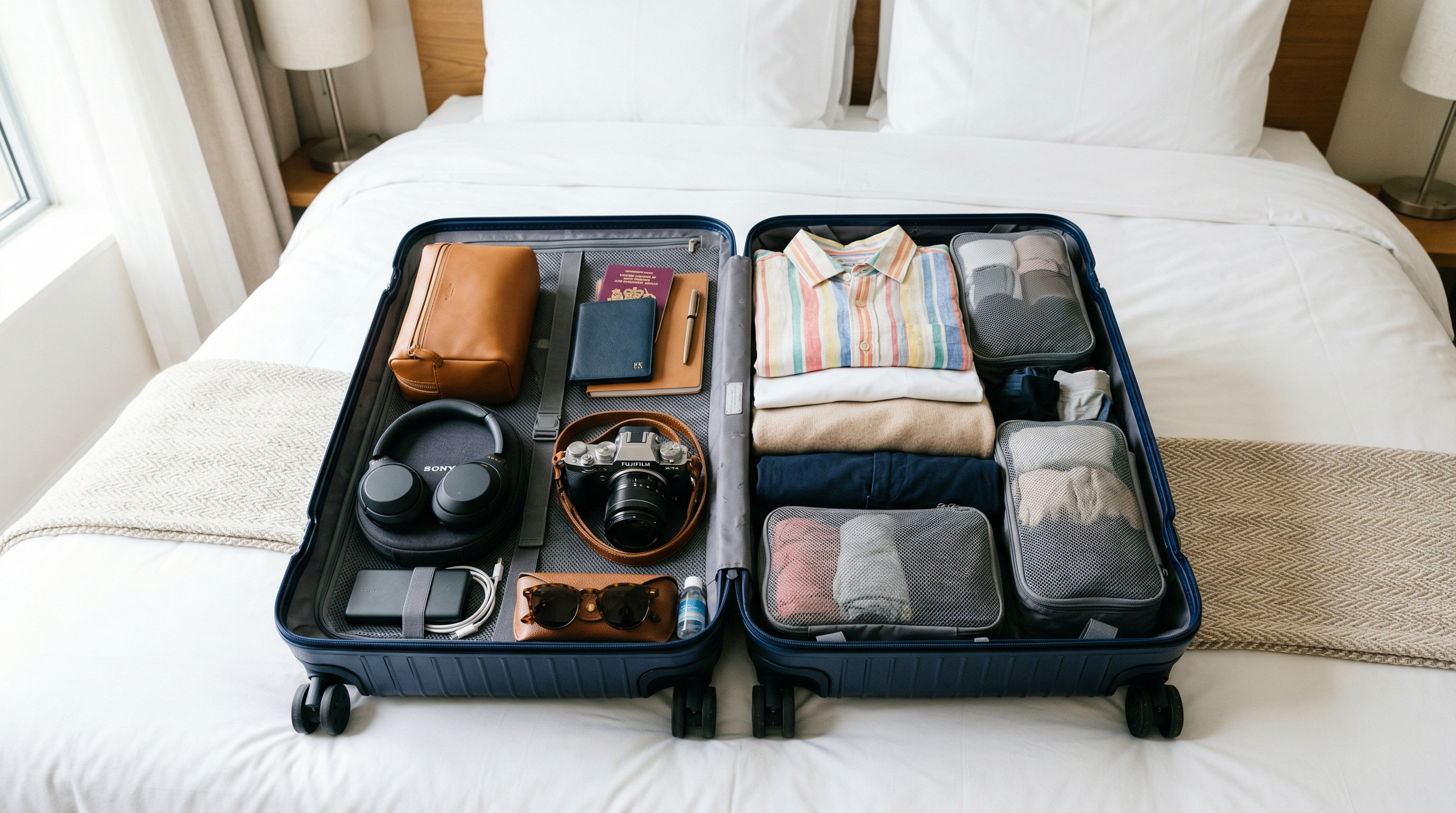
Best Carry-On Luggage for Flying
Looking for the best carry-on luggage? Here are the top picks across every budget and travel style, from budget spinners to premium hard-shells.
2 picks
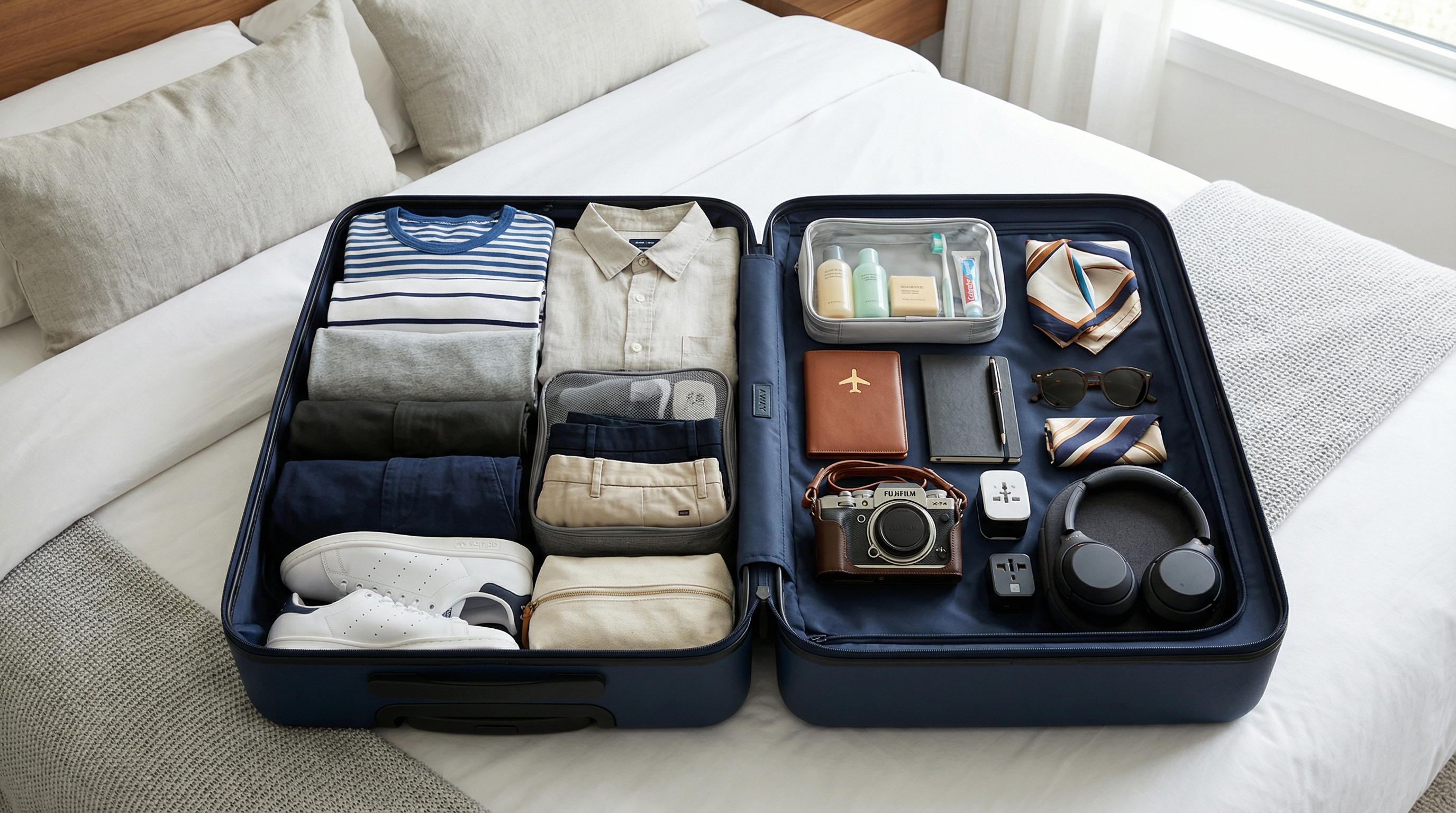
Best Under-Seat Bags for Flying in 2026
The best under-seat bags are structured enough to hold their shape but slim enough to slide under airplane seats. Look for bags around 18x14x8 inches or smaller with organization pockets.
2 picks
Best Personal Item Bags for Flying in 2026
The best personal item bags for flying are compact backpacks or structured totes that fit under the seat in front of you. Most airlines allow bags up to 18x14x8 inches as a free personal item.
3 picks
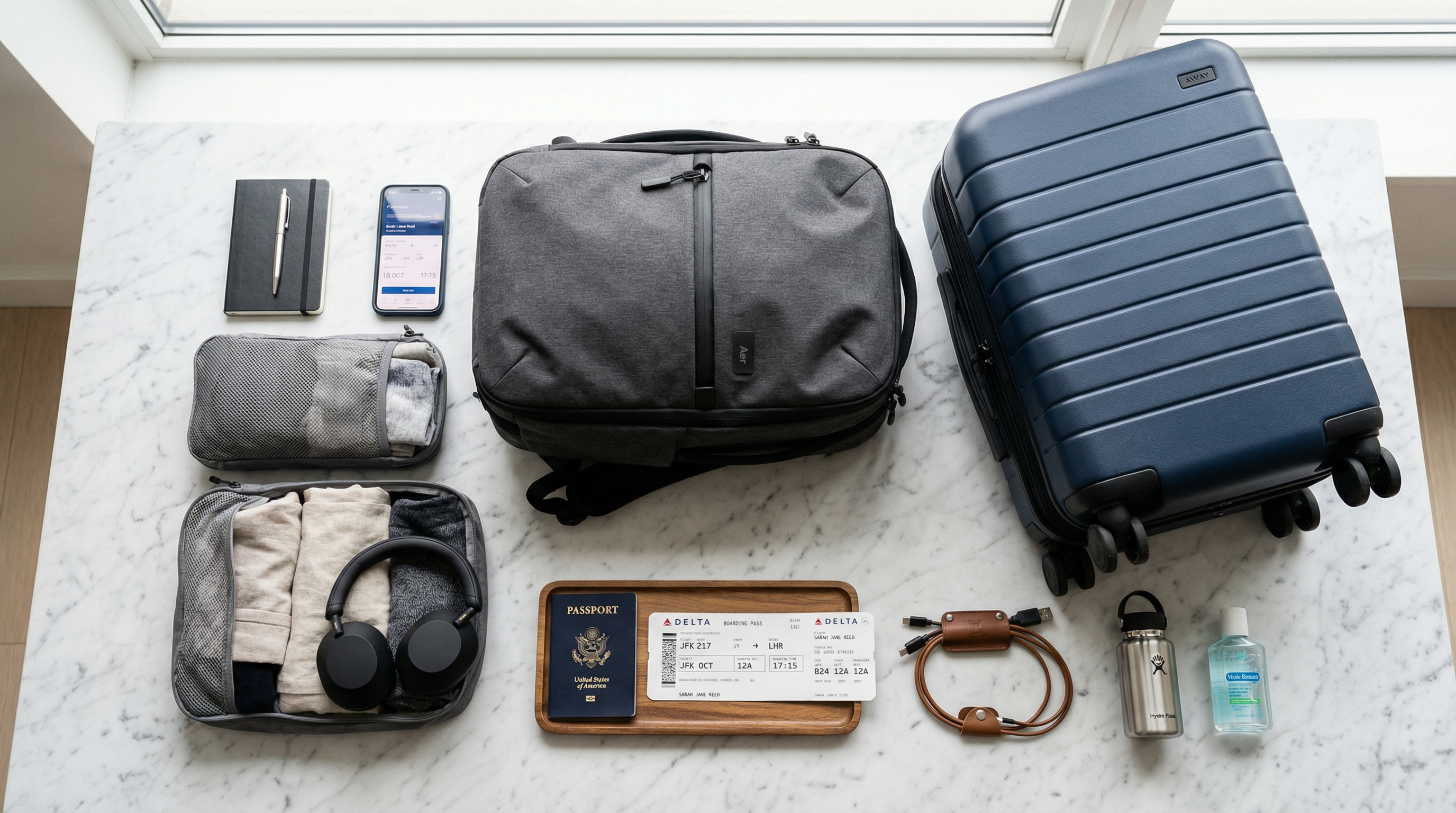
Best Travel Backpacks for Flying
The right travel backpack replaces a suitcase, fits in the overhead bin, and doesn't destroy your back. Here are the best ones for every type of traveler and budget.
Start Here
First-Flight Picks That Make Everything Easier
Simple, practical travel gear for readers who want their first trip to feel organized from the start.
Travel card
Capital One Venture X
Capital One Venture X
The strongest all-around airport and travel-card option when you want lounge access, travel credits, and a trusted-traveler fee credit in one setup.
Offer
$395 annual fee
Lounge network
Priority Pass
Priority Pass Membership
The direct lounge-membership path if you fly through a mix of airports and airlines and want broader access than one carrier's club can provide.
Offer
From $99 to $469 per year
Security program
TSA PreCheck
Apply for TSA PreCheck
The best low-friction upgrade when the problem is ordinary airport security pain: shoes off, laptop out, and slow regular lines.
Offer
$76.75-$85 for 5 years
Disclosure: Some links in this section are commercial links. We may earn from qualifying purchases or signups at no added cost to you.
Prices and availability can change.
Best Next Moves
A faster way to see which option fits your trip and price point.
Capital One Venture X
The strongest all-around airport and travel-card option when you want lounge access, travel credits, and a trusted-traveler fee credit in one setup.
Travelers who want premium perks without locking into one airline
Travel card · Capital One Venture X
Strength
Flexible rewards plus premium airport perks
Tradeoff
Only worth it if you actually use the credits and lounge access
Priority Pass Membership
The direct lounge-membership path if you fly through a mix of airports and airlines and want broader access than one carrier's club can provide.
Travelers who want lounge access across many airports and airlines
Lounge network · Priority Pass
Strength
Broad network instead of tying lounge value to one airline
Tradeoff
Quality and guest rules vary by location
Apply for TSA PreCheck
The best low-friction upgrade when the problem is ordinary airport security pain: shoes off, laptop out, and slow regular lines.
Domestic flyers who want faster security without overspending
Security program · TSA PreCheck
Strength
Best cost-to-time-saved value for most regular flyers
Tradeoff
Does not help with customs when you return from abroad
Capital One Venture X
The strongest all-around airport and travel-card option when you want lounge access, travel credits, and a trusted-traveler fee credit in one setup.
Strength
Flexible rewards plus premium airport perks
Tradeoff
Only worth it if you actually use the credits and lounge access
Priority Pass Membership
The direct lounge-membership path if you fly through a mix of airports and airlines and want broader access than one carrier's club can provide.
Strength
Broad network instead of tying lounge value to one airline
Tradeoff
Quality and guest rules vary by location
Apply for TSA PreCheck
The best low-friction upgrade when the problem is ordinary airport security pain: shoes off, laptop out, and slow regular lines.
Strength
Best cost-to-time-saved value for most regular flyers
Tradeoff
Does not help with customs when you return from abroad
What Are Overhead Bins?
Overhead bins are the storage compartments above the passenger seats in the airplane cabin. They're designed to hold full-size carry-on bags, coats, and larger items that won't fit under the seat in front of you. Each bin is shared by the 2-3 rows of seats below it.
What Goes in the Overhead Bin
- Full-size carry-on bags (up to about 22x14x9 inches, depending on airline)
- Coats and jackets (especially if the bin above your seat still has space)
- Larger personal items that won't fit under the seat
- Oversized or awkward items like a shopping bag, hat box, or medical equipment
What Does NOT Go in the Overhead Bin
- Fragile items — other passengers' bags will be stacked on top or against yours
- Items you'll need during the flight — once you're seated and the plane is moving, accessing the overhead bin is awkward
- Valuables you don't want out of reach — keep your wallet, passport, and phone within reach
Your personal item (laptop bag, purse, small backpack) should go under the seat in front of you, not in the overhead bin, unless it physically doesn't fit under the seat.
How to Load Your Bag
Putting your bag in correctly matters — it affects how much space is left for others and whether it fits at all.
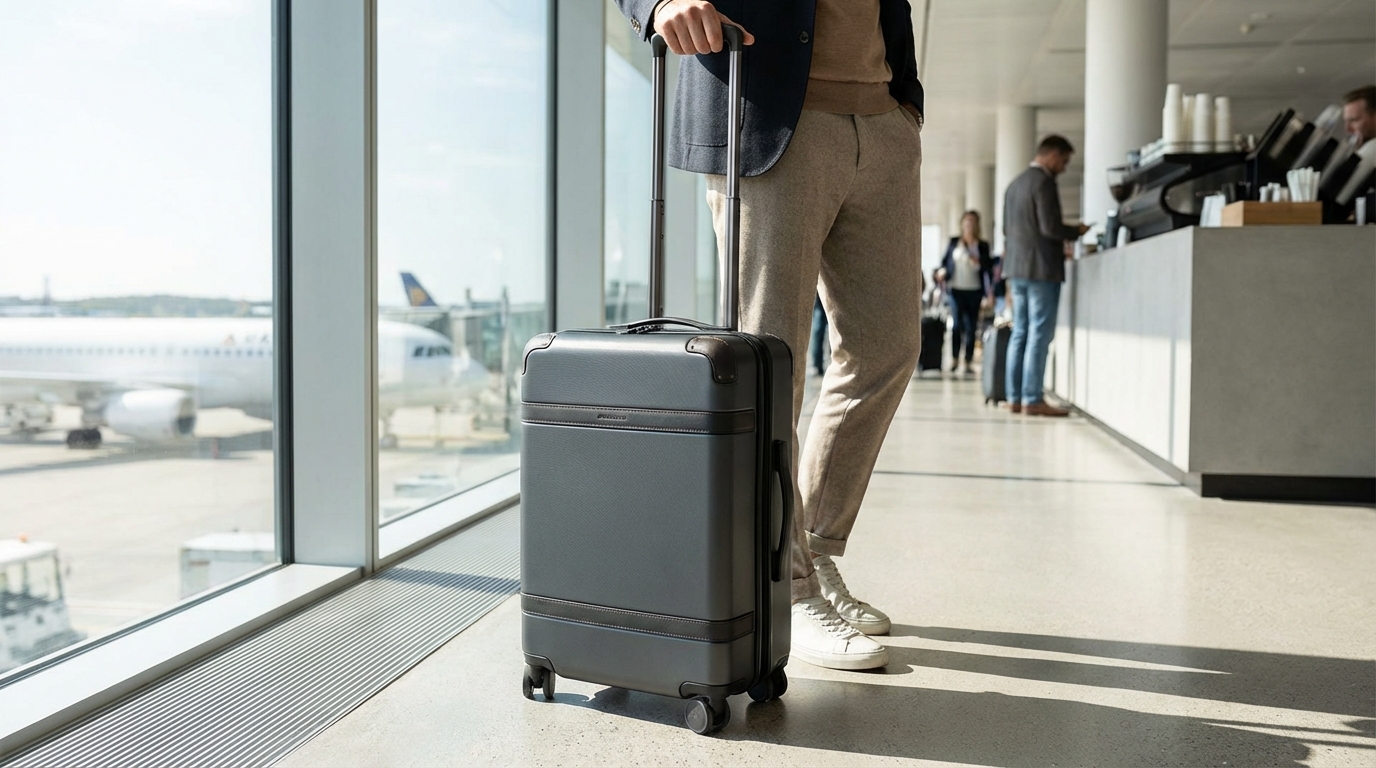
- Wheels first, vertically: Place your rolling carry-on with the handle end out and wheels facing the back of the bin. This is the most space-efficient orientation for most bags and the standard for most airlines.
- Flat, if it's soft-sided: Soft bags can sometimes be compressed to fit. Lay them flat if the bin is getting full.
- Close the bin completely: If the bin doesn't close because your bag is too large, let a flight attendant know — don't force it.
Overhead Bin Etiquette
Use the Bin Above Your Seat First
Overhead bins are shared resources. The unwritten rule is to use the bin directly above your own seat (or the bins adjacent to your row). Taking bin space in row 10 when you're sitting in row 25 is inconsiderate — early-boarding passengers sometimes do this to secure space, but it means the actual row 10 passengers won't have nearby storage for their bags.
One Bag in the Bin
Put only your carry-on bag in the overhead bin. Your personal item (laptop bag, purse) goes under the seat in front of you. If everyone puts both bags overhead, half the passengers won't have bin space.
Don't Place Items Flat When Vertical Would Allow More Bags
A single rolling bag placed vertically takes much less space than if placed flat. Orient your bag to take up the least possible footprint in the bin.
Don't Overfill
If you can't close the bin, the bag doesn't fit. You have two options: find another bin with space, or ask a flight attendant to gate check the bag (free, and it returns to the jetway when you land).
What to Do When There's No Bin Space
On full flights, overhead bins near the back of the plane fill up last — early boarders take bins near the front. If you board in the last group and bins near your seat are full:
- Check bins in adjacent rows — it's fine to use a nearby bin even if it's not directly above your seat
- Check bins in rows behind you — you'll pick up your bag when deplaning
- Ask a flight attendant — they know which bins have space and can help find one
- Ask about a gate check — they'll tag your bag and place it in the cargo hold, returning it to the jetway on arrival for free
Can Airlines Enforce Bin Space Rules?
Yes. On some airlines (especially budget carriers) and particularly full flights, agents measure carry-ons at the gate. If your bag is too large to fit in the sizer, you'll be required to gate check it. On Spirit, Frontier, and Allegiant, this is common and sometimes comes with a fee if you didn't pay for carry-on in advance.
Opening Bins During Flight
During the cruise phase of the flight, you can access the overhead bin to retrieve or return items. However:
- Don't open bins during turbulence — items can fall out and injure passengers
- If the seatbelt sign is on, stay seated
- Be careful opening the bin — items can have shifted during flight and may fall when you open it
- Hold the bin door with one hand when opening to catch anything that might tumble out
Deplaning: Getting Your Bag Down
After landing, wait for the plane to stop and the seatbelt sign to turn off. Then carefully open the overhead bin and retrieve your bag. If your bag is heavy, ask for help — flight attendants and nearby passengers are generally happy to assist. Don't drop bags onto seated passengers when pulling them down.
Frequently Asked Questions
Which way should I put my bag in the overhead bin?
Wheels-first, vertically — with the handle end out and wheels toward the back of the bin. This is the most space-efficient orientation for rolling carry-ons.
Can I put my personal item in the overhead bin?
Officially, personal items go under the seat in front of you, not in overhead bins. This keeps bin space available for carry-on bags. In practice, if there's no room under the seat, a flight attendant may allow it.
What if my carry-on doesn't fit in the overhead bin?
Ask a flight attendant. They'll either find another bin with space or arrange a free gate check, where your bag is stored in the cargo hold and returned to the jetway on landing.
Is it okay to open the overhead bin during flight?
Yes, during the cruise phase when the seatbelt sign is off. Don't open bins during turbulence — items can fall out. Hold the door when opening to catch anything that may have shifted.
Official Sources
TSA Travel
Transportation Security Administration · https://www.tsa.gov/travel
General TSA travel guidance, security rules, and screening information.
Aviation Consumer Protection
U.S. Department of Transportation · https://www.transportation.gov/airconsumer
Official DOT consumer resources for delays, refunds, baggage issues, and complaints.
International Travel
U.S. Department of State · https://travel.state.gov/content/travel/en/international-travel.html
Official U.S. international travel hub covering passports, destination info, and travel advisories.
What Can I Bring?
Transportation Security Administration · https://www.tsa.gov/travel/security-screening/whatcanibring/all
The TSA's searchable database for carry-on and checked-bag item rules.
More First Time Flyers Answers
Keep building context with more closely related questions in this topic cluster.
Best Luggage Scales to Avoid Overweight Fees
Overweight baggage fees range from $50 to $200. A $12 luggage scale pays for itself on the first trip. Here are the best portable scales for weighing your bags at home.
Best Luggage Trackers: AirTag vs Tile vs Samsung
Lost luggage is stressful enough without wondering where your bag actually is. Here's how AirTag, Tile, and Samsung SmartTag compare for tracking checked bags through airports.
Best Packing Cubes for Travel
Packing cubes transformed how I travel. Here are the best ones for every budget and packing style, from basic organizers to compression cubes that slash volume by 60%.
Best Portable Chargers for Travel
A dead phone at the airport is a nightmare. Here are the best portable chargers for travel, from compact lipstick-sized options to laptop-charging powerhouses.
Best Travel Backpacks for Flying
The right travel backpack replaces a suitcase, fits in the overhead bin, and doesn't destroy your back. Here are the best ones for every type of traveler and budget.
Do You Have to Remove Your Laptop from Your Bag at TSA?
At standard TSA checkpoints, yes — laptops and large tablets must be removed from your bag and placed in a separate bin. TSA PreCheck members can leave them in their bags.
Disclosure: Some links in this section are commercial links. We may earn from qualifying purchases or signups at no added cost to you.
Air Travel Questions Editorial Team
Researched Against Official Travel Sources
We build guides around official TSA, airline, airport, DOT, and government guidance, then update pages as rules and policies change. Read our editorial policy. Browse our source library.
Was this article helpful?
Get travel tips and deals in your inbox
Join our newsletter for expert travel advice, packing tips, and exclusive deals — delivered weekly.