What Is a Concourse at an Airport?
Quick Answer
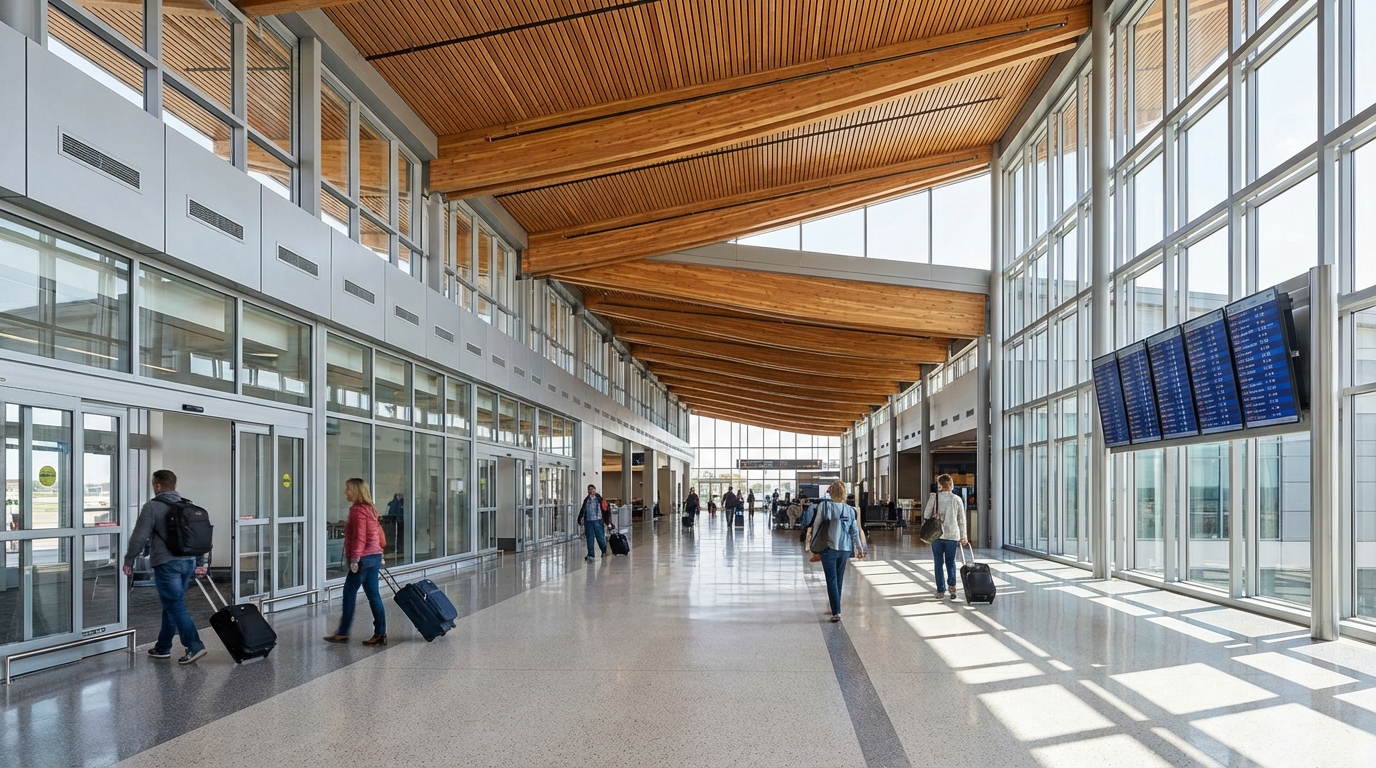
A concourse is a wing or section within an airport terminal that contains a group of gates. Concourses are labeled with letters — A, B, C — and you access them after clearing security.
Answer Snapshot
What matters before you fly
This page is structured for fast scanning, direct answers, and source-first verification.
Updated
Mar 19, 2026
Read Time
3 min read
Topic
First Time Flyers
Need To Know
- Airport — the overall facility
- Terminal — the main building (some airports have multiple terminals)
- Concourse — a wing within the terminal
- Gate — the specific door where you board your plane
Buying Guides
Best Next Buying Guides For This Topic
These money pages are the most relevant commercial follow-ups for readers who want a practical next step.
3 picks
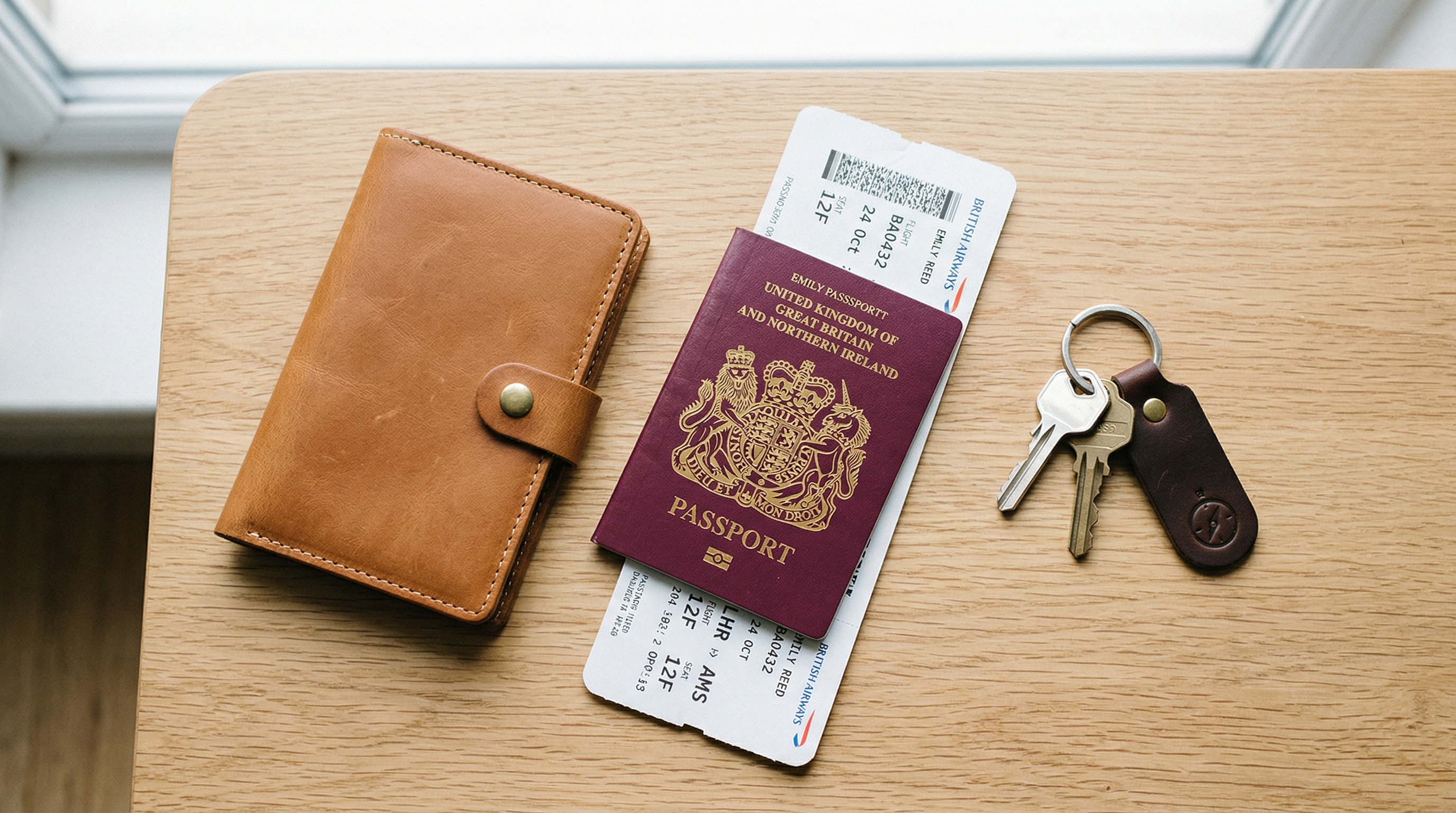
Best Travel Wallets and Passport Holders
A good travel wallet keeps your passport, cards, boarding pass, and cash organized and secure. Here are the best options from minimalist holders to full-size family organizers.
3 picks
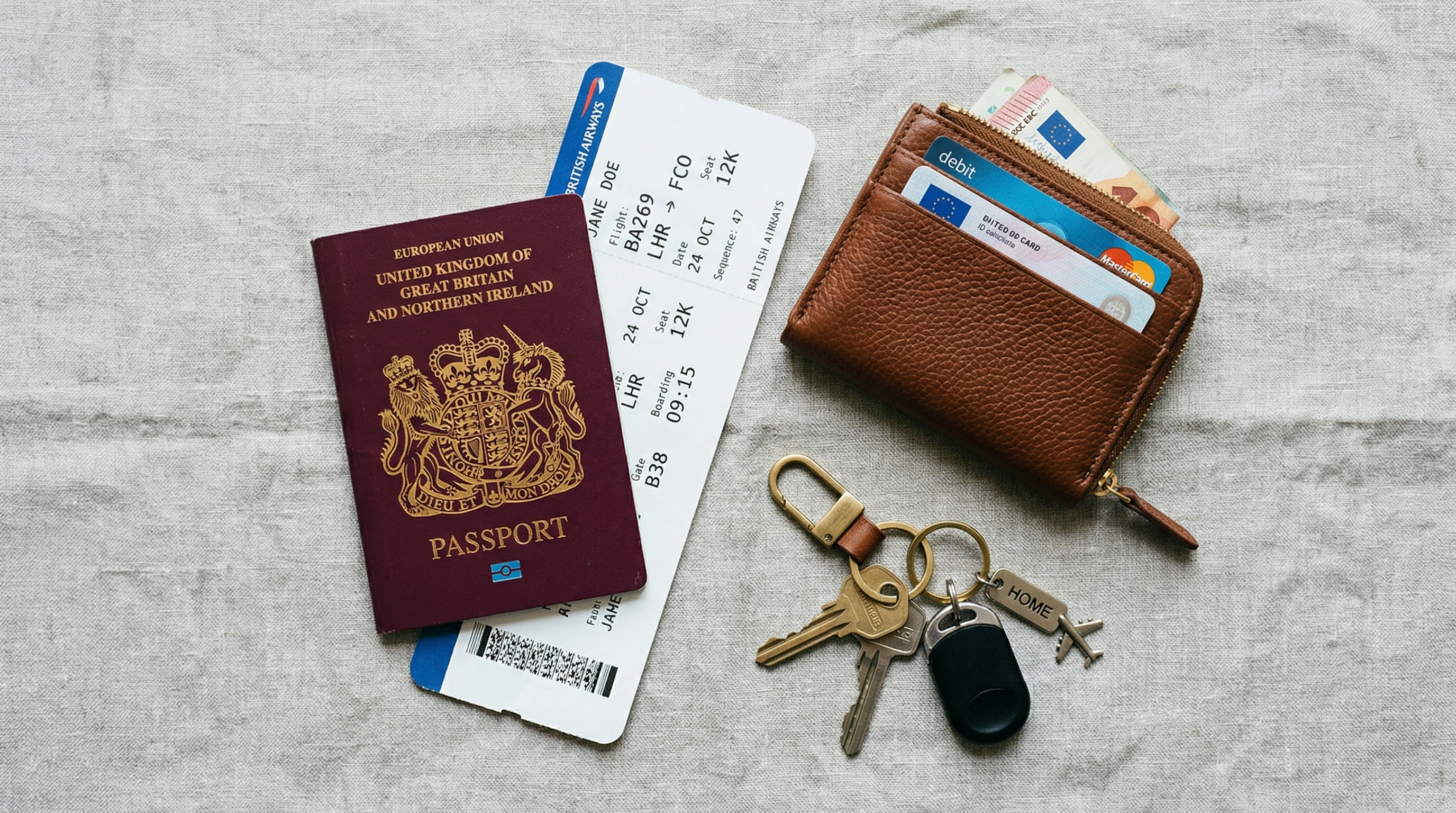
Best Money Belts for Travel in 2026
The best money belts for travel are flat, worn under clothing, and feature RFID-blocking fabric to protect your credit cards. Eagle Creek and Lewis N. Clark are the most trusted brands.
3 picks
Best Travel Adapters for International Travel
Don't fry your phone charger in a foreign outlet. Here are the best travel adapters that actually work worldwide, from budget picks to premium multi-port chargers.
3 picks
Best Portable Chargers for Travel
A dead phone at the airport is a nightmare. Here are the best portable chargers for travel, from compact lipstick-sized options to laptop-charging powerhouses.
Start Here
First-Flight Picks That Make Everything Easier
Simple, practical travel gear for readers who want their first trip to feel organized from the start.
Security program
TSA PreCheck
Apply for TSA PreCheck
The best low-friction upgrade when the problem is ordinary airport security pain: shoes off, laptop out, and slow regular lines.
Offer
$76.75-$85 for 5 years
Security program
CLEAR+
Join CLEAR+
The faster add-on when the ID-check line is the real bottleneck and you fly through busy airports that support CLEAR lanes.
Offer
$209 per year
Security program
Global Entry
Apply for Global Entry
The smarter long-term pick when you want TSA PreCheck bundled with faster U.S. re-entry after international trips.
Offer
$120 for 5 years
Disclosure: Some links in this section are commercial links. We may earn from qualifying purchases or signups at no added cost to you.
Prices and availability can change.
Best Next Moves
A faster way to see which option fits your trip and price point.
Apply for TSA PreCheck
The best low-friction upgrade when the problem is ordinary airport security pain: shoes off, laptop out, and slow regular lines.
Domestic flyers who want faster security without overspending
Security program · TSA PreCheck
Strength
Best cost-to-time-saved value for most regular flyers
Tradeoff
Does not help with customs when you return from abroad
Join CLEAR+
The faster add-on when the ID-check line is the real bottleneck and you fly through busy airports that support CLEAR lanes.
Frequent flyers using major airports with CLEAR lanes
Security program · CLEAR+
Strength
Cuts the identity-check step before screening
Tradeoff
Only worth it if your airports and travel pattern actually support it
Apply for Global Entry
The smarter long-term pick when you want TSA PreCheck bundled with faster U.S. re-entry after international trips.
Travelers who take meaningful international trips
Security program · Global Entry
Strength
Bundles TSA PreCheck with customs benefits
Tradeoff
Approval takes more effort because of the interview process
Apply for TSA PreCheck
The best low-friction upgrade when the problem is ordinary airport security pain: shoes off, laptop out, and slow regular lines.
Strength
Best cost-to-time-saved value for most regular flyers
Tradeoff
Does not help with customs when you return from abroad
Join CLEAR+
The faster add-on when the ID-check line is the real bottleneck and you fly through busy airports that support CLEAR lanes.
Strength
Cuts the identity-check step before screening
Tradeoff
Only worth it if your airports and travel pattern actually support it
Apply for Global Entry
The smarter long-term pick when you want TSA PreCheck bundled with faster U.S. re-entry after international trips.
Strength
Bundles TSA PreCheck with customs benefits
Tradeoff
Approval takes more effort because of the interview process
What Is a Concourse?
A concourse is a section or wing within an airport terminal that groups together multiple gates. Picture a long corridor with gates lined up on both sides — that's a concourse. Airlines often cluster their flights in specific concourses, and the design channels passengers efficiently from the security checkpoint to their specific gate area.
Concourses are typically labeled with letters: Concourse A, Concourse B, Concourse C, and so on. Your gate number includes the concourse letter — Gate B14 means you're in Concourse B, Gate 14.
How Concourses Fit into Airport Layout
The hierarchy of airport spaces goes from largest to smallest:
- Airport — the overall facility
- Terminal — the main building (some airports have multiple terminals)
- Concourse — a wing within the terminal
- Gate — the specific door where you board your plane
Not all airports use the concourse structure. Smaller airports may just have one area with all gates. Larger airports use concourses to organize the large number of gates across their footprint.
Example: Atlanta Hartsfield-Jackson
Atlanta's airport is a great example of the concourse system. It has one main domestic terminal (the atrium), but from there it branches into seven concourses: T, A, B, C, D, E, and F. Each concourse is connected by an underground train that runs the length of the airport, or by a walking tunnel above ground. Concourse F is the international concourse. If your gate is F4, you're in Concourse F — usually 10-15 minutes from the security exit depending on where you enter.
Example: Chicago O'Hare
O'Hare has four terminals, and within Terminal 1 (primarily United), there are Concourses B and C. Within Terminal 3 (American), there are Concourses G, H, K, and L. Your boarding pass tells you both the terminal and concourse/gate.
How to Navigate to Your Concourse
- Know your gate — check your boarding pass or the airport's departure boards. The gate number tells you which concourse you're heading to.
- Follow the signs — airports have large overhead signage after security directing passengers toward each concourse. Follow the letter of your concourse.
- Use the airport map — most airport websites have interactive maps, and many airports post printed maps at the security exit. These show the locations of all concourses and estimated walking times.
- Don't confuse concourses — if you walk to the wrong concourse, you may need to backtrack significantly. Gates in different concourses can be far apart (15+ minutes of walking).
Getting Between Concourses
If your connection requires moving from Concourse A to Concourse D, for example, here's how airports typically facilitate this:
- Walking: Many airport concourses are connected by enclosed walking corridors. Some require walking 10-20 minutes.
- Automated people movers (APMs): Underground or elevated train systems that shuttle passengers between concourses. Atlanta's underground train, Dallas-Fort Worth's Skylink, and Denver's train are well-known examples.
- Shuttles or buses: Less common for concourse-to-concourse travel, but some older airports use them.
When you have a tight connection and need to change concourses, ask an airport employee or gate agent for the fastest route — they know the airport far better than any map.
Concourses and Airlines
Airlines tend to operate from specific concourses within terminals. This means their gates are clustered together, making connections between flights on the same airline easier. Delta might use Concourse A and B at one airport while United uses Concourse C and D.
This matters for connections: if you're connecting on the same airline, your gates are usually in the same concourse or adjacent ones. If you're connecting between different airlines, you might need to travel across the terminal or even change terminals entirely.
Concourse Amenities
Concourses have restaurants, shops, restrooms, and seating. Amenities vary significantly by concourse at the same airport — the main entrance concourse or the international concourse often has the best food options. If you have time during a layover, it can be worth walking to a different concourse for better dining, though always keep your gate's boarding time in mind.
The Bottom Line
A concourse is just the labeled wing of the airport where your specific gate is located. Look at the letter in your gate number to know which concourse to head to after security. Follow the overhead signs, allow extra time for large airports with multiple concourses, and use people movers or trains when available to save walking time.
Frequently Asked Questions
What is the difference between a concourse and a terminal?
A terminal is the main building; a concourse is a wing within that building containing multiple gates. Terminal is larger; concourse is a subdivision of the terminal.
How do I know which concourse my gate is in?
Your gate number tells you. Gate B14 is in Concourse B. Gate D3 is in Concourse D. Follow the letter on overhead signs after clearing security.
Do I have to go through security again if I change concourses?
Generally no, if you stay within the same terminal. Concourse-to-concourse travel is typically airside (within the secure area). Terminal changes sometimes require re-clearing security.
How long does it take to walk between concourses?
It varies widely by airport. At small airports, 5 minutes. At large airports like Atlanta or Dallas, it can be 15-20+ minutes. Use the underground train or people mover when available.
Official Sources
TSA Travel
Transportation Security Administration · https://www.tsa.gov/travel
General TSA travel guidance, security rules, and screening information.
Aviation Consumer Protection
U.S. Department of Transportation · https://www.transportation.gov/airconsumer
Official DOT consumer resources for delays, refunds, baggage issues, and complaints.
International Travel
U.S. Department of State · https://travel.state.gov/content/travel/en/international-travel.html
Official U.S. international travel hub covering passports, destination info, and travel advisories.
What Can I Bring?
Transportation Security Administration · https://www.tsa.gov/travel/security-screening/whatcanibring/all
The TSA's searchable database for carry-on and checked-bag item rules.
More First Time Flyers Answers
Keep building context with more closely related questions in this topic cluster.
Best Luggage Scales to Avoid Overweight Fees
Overweight baggage fees range from $50 to $200. A $12 luggage scale pays for itself on the first trip. Here are the best portable scales for weighing your bags at home.
Best Luggage Trackers: AirTag vs Tile vs Samsung
Lost luggage is stressful enough without wondering where your bag actually is. Here's how AirTag, Tile, and Samsung SmartTag compare for tracking checked bags through airports.
Best Packing Cubes for Travel
Packing cubes transformed how I travel. Here are the best ones for every budget and packing style, from basic organizers to compression cubes that slash volume by 60%.
Best Portable Chargers for Travel
A dead phone at the airport is a nightmare. Here are the best portable chargers for travel, from compact lipstick-sized options to laptop-charging powerhouses.
Best Travel Backpacks for Flying
The right travel backpack replaces a suitcase, fits in the overhead bin, and doesn't destroy your back. Here are the best ones for every type of traveler and budget.
Do You Have to Remove Your Laptop from Your Bag at TSA?
At standard TSA checkpoints, yes — laptops and large tablets must be removed from your bag and placed in a separate bin. TSA PreCheck members can leave them in their bags.
Disclosure: Some links in this section are commercial links. We may earn from qualifying purchases or signups at no added cost to you.
Air Travel Questions Editorial Team
Researched Against Official Travel Sources
We build guides around official TSA, airline, airport, DOT, and government guidance, then update pages as rules and policies change. Read our editorial policy. Browse our source library.
Was this article helpful?
Get travel tips and deals in your inbox
Join our newsletter for expert travel advice, packing tips, and exclusive deals — delivered weekly.