What Is a Terminal at an Airport?
Quick Answer
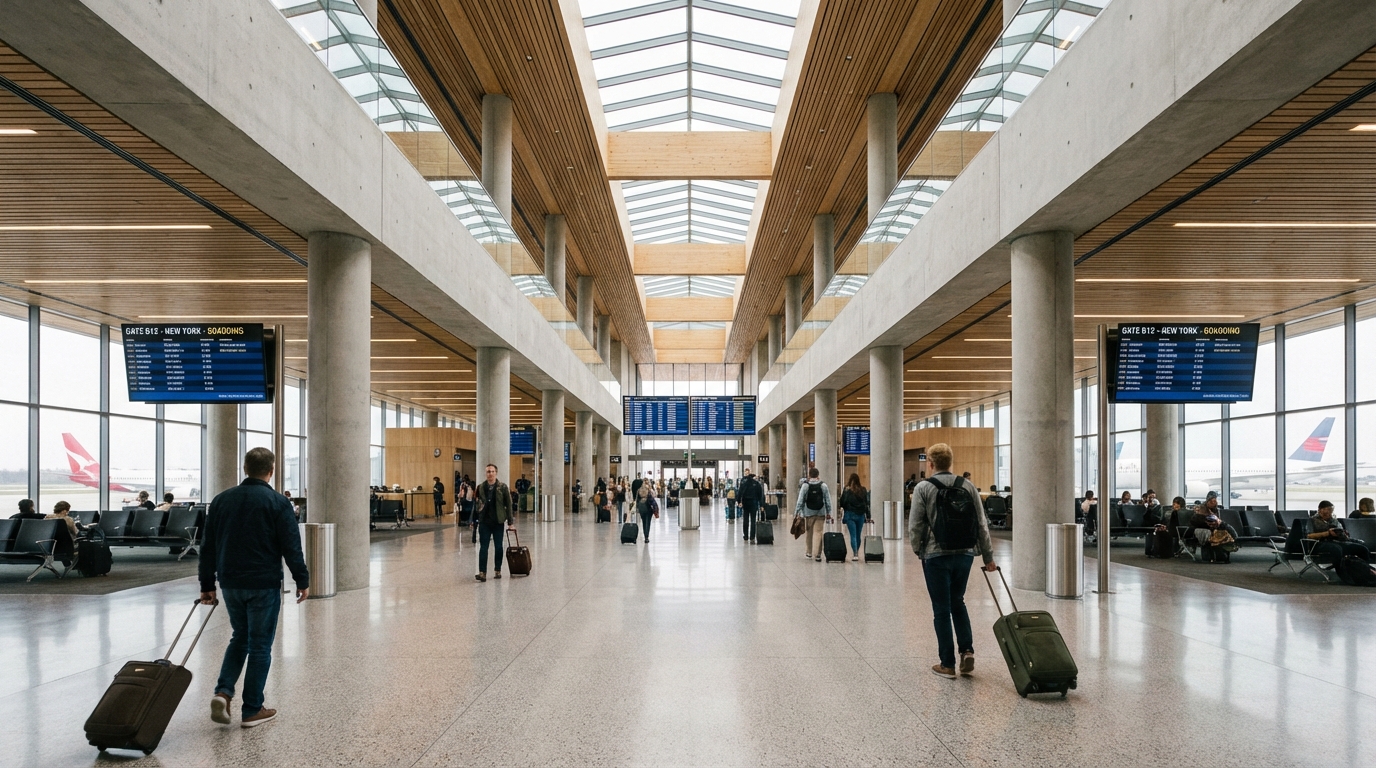
An airport terminal is a large building where passengers check in, go through security, and board flights. Large airports have multiple terminals, each operated by specific airlines.
Answer Snapshot
What matters before you fly
This page is structured for fast scanning, direct answers, and source-first verification.
Updated
Mar 19, 2026
Read Time
3 min read
Topic
First Time Flyers
Need To Know
- Check-in counters and kiosks — where you check in and drop bags
- Baggage claim — where you collect checked luggage on arrival
- Security checkpoints — TSA in the US
- Gates — the specific doors where you board planes
Buying Guides
Best Next Buying Guides For This Topic
These money pages are the most relevant commercial follow-ups for readers who want a practical next step.
3 picks
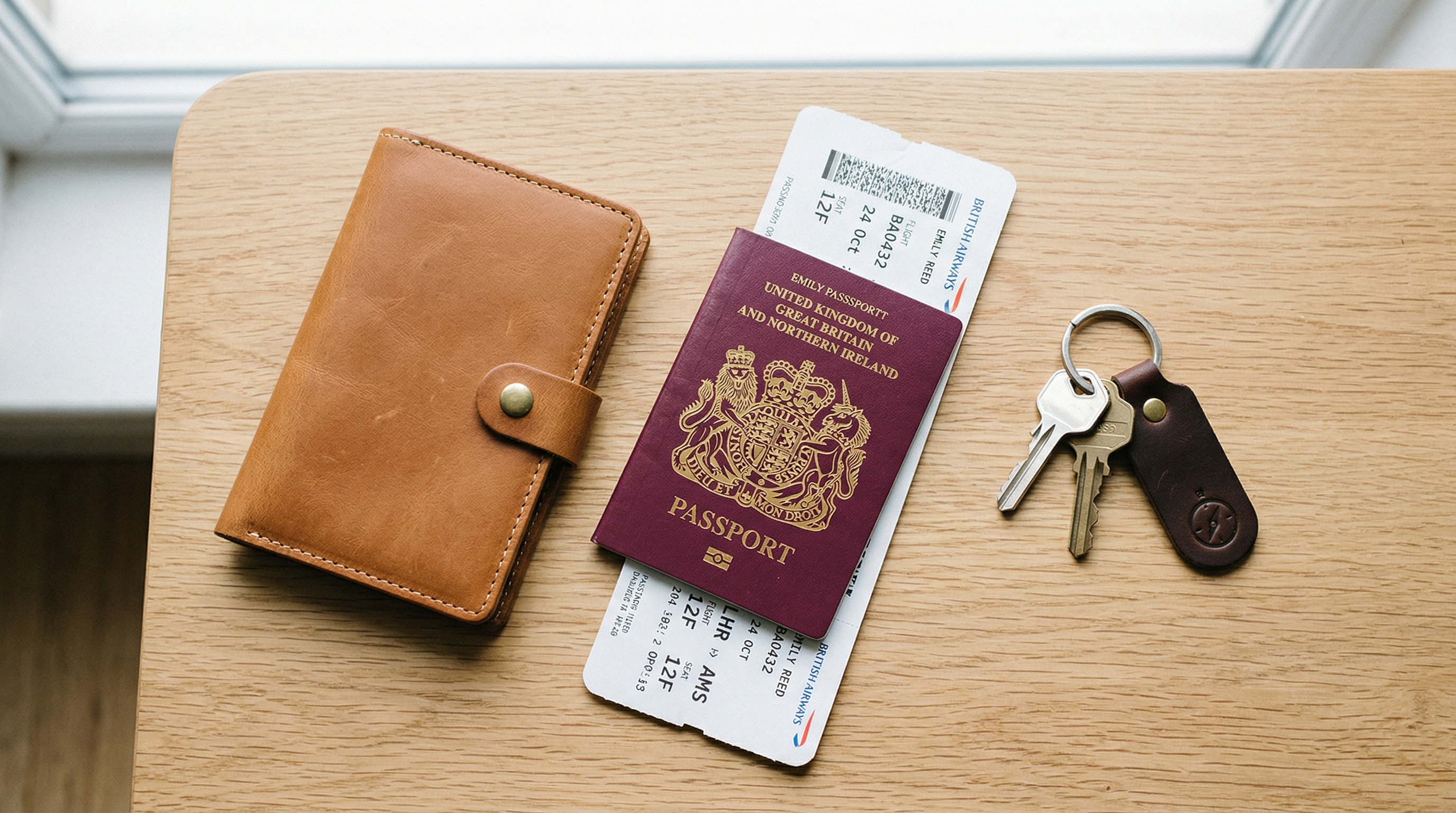
Best Travel Wallets and Passport Holders
A good travel wallet keeps your passport, cards, boarding pass, and cash organized and secure. Here are the best options from minimalist holders to full-size family organizers.
3 picks
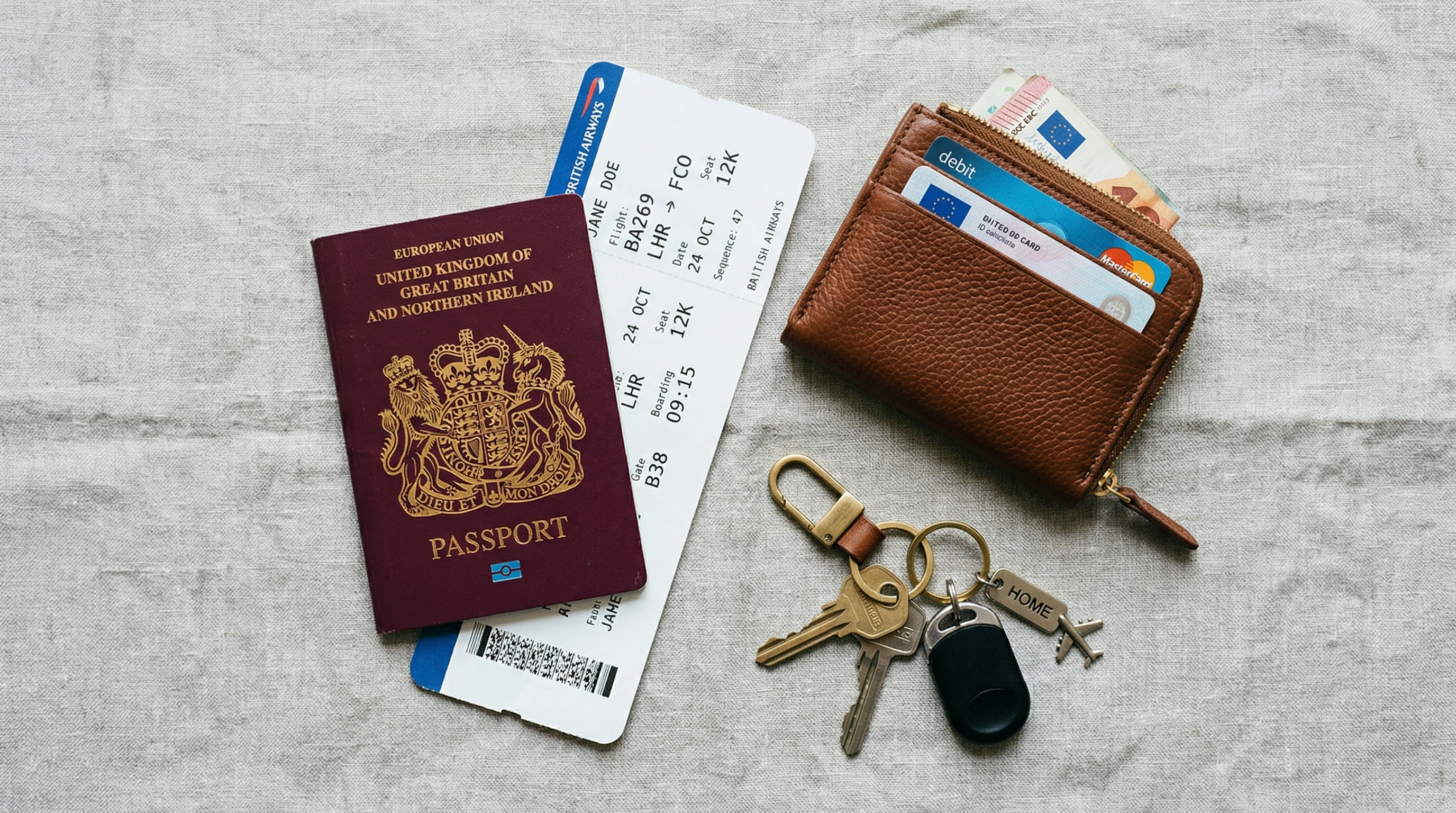
Best Money Belts for Travel in 2026
The best money belts for travel are flat, worn under clothing, and feature RFID-blocking fabric to protect your credit cards. Eagle Creek and Lewis N. Clark are the most trusted brands.
3 picks
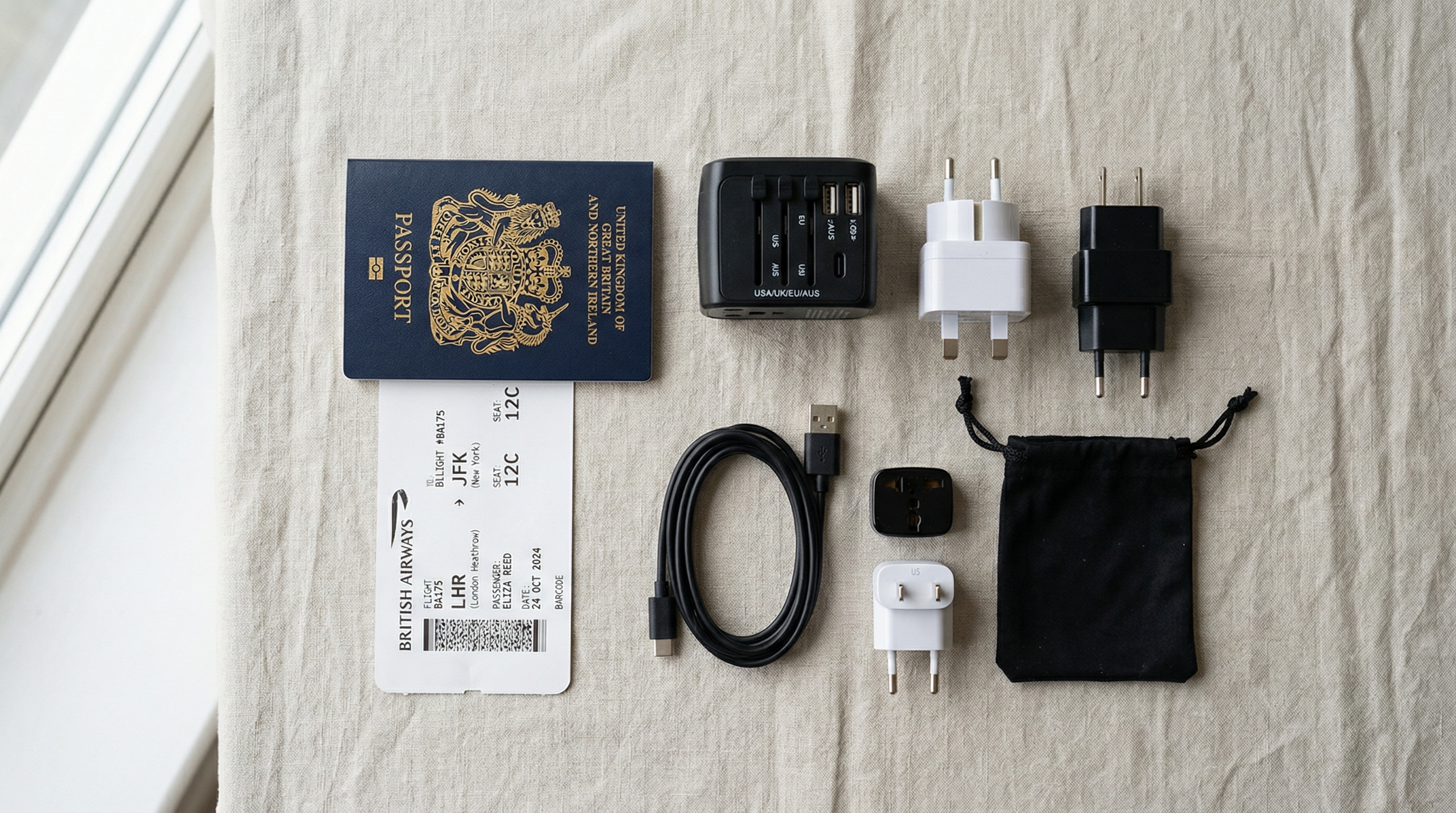
Best Travel Adapters for International Travel
Don't fry your phone charger in a foreign outlet. Here are the best travel adapters that actually work worldwide, from budget picks to premium multi-port chargers.
3 picks
Best Portable Chargers for Travel
A dead phone at the airport is a nightmare. Here are the best portable chargers for travel, from compact lipstick-sized options to laptop-charging powerhouses.
Start Here
First-Flight Picks That Make Everything Easier
Simple, practical travel gear for readers who want their first trip to feel organized from the start.
Security program
TSA PreCheck
Apply for TSA PreCheck
The best low-friction upgrade when the problem is ordinary airport security pain: shoes off, laptop out, and slow regular lines.
Offer
$76.75-$85 for 5 years
Security program
CLEAR+
Join CLEAR+
The faster add-on when the ID-check line is the real bottleneck and you fly through busy airports that support CLEAR lanes.
Offer
$209 per year
Security program
Global Entry
Apply for Global Entry
The smarter long-term pick when you want TSA PreCheck bundled with faster U.S. re-entry after international trips.
Offer
$120 for 5 years
Disclosure: Some links in this section are commercial links. We may earn from qualifying purchases or signups at no added cost to you.
Prices and availability can change.
Best Next Moves
A faster way to see which option fits your trip and price point.
Apply for TSA PreCheck
The best low-friction upgrade when the problem is ordinary airport security pain: shoes off, laptop out, and slow regular lines.
Domestic flyers who want faster security without overspending
Security program · TSA PreCheck
Strength
Best cost-to-time-saved value for most regular flyers
Tradeoff
Does not help with customs when you return from abroad
Join CLEAR+
The faster add-on when the ID-check line is the real bottleneck and you fly through busy airports that support CLEAR lanes.
Frequent flyers using major airports with CLEAR lanes
Security program · CLEAR+
Strength
Cuts the identity-check step before screening
Tradeoff
Only worth it if your airports and travel pattern actually support it
Apply for Global Entry
The smarter long-term pick when you want TSA PreCheck bundled with faster U.S. re-entry after international trips.
Travelers who take meaningful international trips
Security program · Global Entry
Strength
Bundles TSA PreCheck with customs benefits
Tradeoff
Approval takes more effort because of the interview process
Apply for TSA PreCheck
The best low-friction upgrade when the problem is ordinary airport security pain: shoes off, laptop out, and slow regular lines.
Strength
Best cost-to-time-saved value for most regular flyers
Tradeoff
Does not help with customs when you return from abroad
Join CLEAR+
The faster add-on when the ID-check line is the real bottleneck and you fly through busy airports that support CLEAR lanes.
Strength
Cuts the identity-check step before screening
Tradeoff
Only worth it if your airports and travel pattern actually support it
Apply for Global Entry
The smarter long-term pick when you want TSA PreCheck bundled with faster U.S. re-entry after international trips.
Strength
Bundles TSA PreCheck with customs benefits
Tradeoff
Approval takes more effort because of the interview process
The Simple Definition
An airport terminal is the main building (or one of several buildings) where airline passengers arrive, check in, go through security, and board their flights. It's the airport building you actually walk through. Think of it as the hub that connects the road outside to the airplanes on the tarmac.
What's Inside a Terminal
Every terminal contains some combination of:
- Check-in counters and kiosks — where you check in and drop bags
- Baggage claim — where you collect checked luggage on arrival
- Security checkpoints — TSA in the US
- Gates — the specific doors where you board planes
- Restaurants, shops, and services — post-security
- Airline lounges — for premium passengers and lounge members
- Ground transportation connections — taxis, rideshares, trains, shuttle buses
Why Do Airports Have Multiple Terminals?
Larger airports are divided into multiple separate terminals to handle more flights and passengers simultaneously. Each terminal typically serves one or more specific airlines. This separation helps with capacity, security, and organization.
Examples:
- JFK (New York): Eight terminals. Terminal 4 is the main international terminal; Terminal 5 is JetBlue; Terminal 8 is American Airlines; Terminal 7 was British Airways (now being redeveloped)
- LAX (Los Angeles): Nine terminals. Terminals 1-3 are domestic budget carriers; Terminals 4-8 are major carriers; the Tom Bradley International Terminal (TBIT) handles most international flights
- O'Hare (Chicago): Four terminals. Terminal 1 is primarily United; Terminal 3 is American; Terminal 5 is international
- Atlanta (ATL): One main domestic terminal with Concourses A-F (ATL is technically a single terminal building but has multiple concourses)
Terminal vs. Concourse vs. Gate: What's the Difference?
Terminal
The main building complex. The top level of the airport's organizational structure. You arrive at the terminal, check in at the terminal, and leave from the terminal.
Concourse
A wing or section within a terminal that contains multiple gates. Think of it as a long hallway with gates on both sides. Concourses are typically labeled with letters: Concourse A, Concourse B, etc. One terminal may have multiple concourses. You access concourses after going through security.
Gate
The specific door where your plane is parked and where you board. Gates have numbers and letters: Gate A12, Gate B7, Gate D4. Your gate is printed on your boarding pass (though it can change — always verify on departure boards).
The hierarchy: Terminal → Concourse → Gate
How Your Terminal Affects Your Airport Experience
Arriving at the right terminal is critical. If you drop off at Terminal 2 but your airline is in Terminal 4, you'll need to take a shuttle, walk a long connection, or exit and re-enter security. Always look up which terminal your airline uses at your specific airport before you arrive.
Your boarding pass, e-ticket confirmation, and airline's website all list your terminal and gate. At airports where terminals are close or connected, it may not matter much. At spread-out airports like JFK or Heathrow, terminal selection can add 30-45 minutes to your trip.
Connecting Between Terminals
If your connection involves changing terminals (which sometimes happens with codeshare flights or when connecting between different airlines), you'll need to allow extra time. Some airports have:
- Airside connections (you stay inside security)
- Landside connections (you exit security, take a shuttle or walk between terminals, re-enter security)
Landside terminal connections can easily take 30-45 minutes or more. Check in advance whether your connection involves a terminal change and how to navigate it.
How to Find Your Terminal
- Check your booking confirmation email — it typically lists the terminal
- Check your boarding pass after check-in — it lists the terminal and gate
- Google your flight or use your airline's app — both show terminal information
- Check the airport's website for airline-to-terminal assignments
- Look for signs when you arrive — airports have large departure signs showing terminals and airlines
Single-Terminal Airports
Many smaller and regional airports have just one terminal. In this case, you simply arrive, go through the one security checkpoint, and find your gate. No confusion about which terminal to use. This describes most small regional airports and some mid-size ones like PDX (Portland), SAN (San Diego), and MSY (New Orleans).
Frequently Asked Questions
How do I know which terminal my flight is in?
Your booking confirmation email and boarding pass both list the terminal. You can also check the airline's app or website, or Google your flight number.
Can I walk between terminals at the airport?
It depends on the airport. Some have connected terminals with airside walkways. Others require a shuttle bus and exiting then re-entering security. Check before assuming you can walk.
What's the difference between a terminal and a gate?
A terminal is the main building; a gate is the specific door within the terminal where your plane is parked and where you board. The hierarchy is terminal → concourse → gate.
Do all airlines use the same terminal at an airport?
No. At large airports, each terminal typically serves specific airlines. For example, at JFK, JetBlue is primarily in Terminal 5 and American is in Terminal 8.
Official Sources
TSA Travel
Transportation Security Administration · https://www.tsa.gov/travel
General TSA travel guidance, security rules, and screening information.
Aviation Consumer Protection
U.S. Department of Transportation · https://www.transportation.gov/airconsumer
Official DOT consumer resources for delays, refunds, baggage issues, and complaints.
International Travel
U.S. Department of State · https://travel.state.gov/content/travel/en/international-travel.html
Official U.S. international travel hub covering passports, destination info, and travel advisories.
What Can I Bring?
Transportation Security Administration · https://www.tsa.gov/travel/security-screening/whatcanibring/all
The TSA's searchable database for carry-on and checked-bag item rules.
More First Time Flyers Answers
Keep building context with more closely related questions in this topic cluster.
Best Luggage Scales to Avoid Overweight Fees
Overweight baggage fees range from $50 to $200. A $12 luggage scale pays for itself on the first trip. Here are the best portable scales for weighing your bags at home.
Best Luggage Trackers: AirTag vs Tile vs Samsung
Lost luggage is stressful enough without wondering where your bag actually is. Here's how AirTag, Tile, and Samsung SmartTag compare for tracking checked bags through airports.
Best Packing Cubes for Travel
Packing cubes transformed how I travel. Here are the best ones for every budget and packing style, from basic organizers to compression cubes that slash volume by 60%.
Best Portable Chargers for Travel
A dead phone at the airport is a nightmare. Here are the best portable chargers for travel, from compact lipstick-sized options to laptop-charging powerhouses.
Best Travel Backpacks for Flying
The right travel backpack replaces a suitcase, fits in the overhead bin, and doesn't destroy your back. Here are the best ones for every type of traveler and budget.
Do You Have to Remove Your Laptop from Your Bag at TSA?
At standard TSA checkpoints, yes — laptops and large tablets must be removed from your bag and placed in a separate bin. TSA PreCheck members can leave them in their bags.
Disclosure: Some links in this section are commercial links. We may earn from qualifying purchases or signups at no added cost to you.
Air Travel Questions Editorial Team
Researched Against Official Travel Sources
We build guides around official TSA, airline, airport, DOT, and government guidance, then update pages as rules and policies change. Read our editorial policy. Browse our source library.
Was this article helpful?
Get travel tips and deals in your inbox
Join our newsletter for expert travel advice, packing tips, and exclusive deals — delivered weekly.