What to Wear to the Airport in Winter
Quick Answer
In winter, wear easy-to-remove layers, slip-on boots or shoes, and avoid bulky outerwear you'll need to manage at security. Layering is the key strategy.
Answer Snapshot
What matters before you fly
This page is structured for fast scanning, direct answers, and source-first verification.
Updated
Mar 19, 2026
Read Time
4 min read
Topic
First Time Flyers
Need To Know
- Base layer : thermal undershirt or moisture-wicking long sleeve
- Mid layer : sweater, fleece, or light hoodie
- Outer layer : jacket or coat you can remove at security and stow on the plane
Buying Guides
Best Next Buying Guides For This Topic
These money pages are the most relevant commercial follow-ups for readers who want a practical next step.
2 picks
Best Under-Seat Bags for Flying in 2026
The best under-seat bags are structured enough to hold their shape but slim enough to slide under airplane seats. Look for bags around 18x14x8 inches or smaller with organization pockets.
3 picks
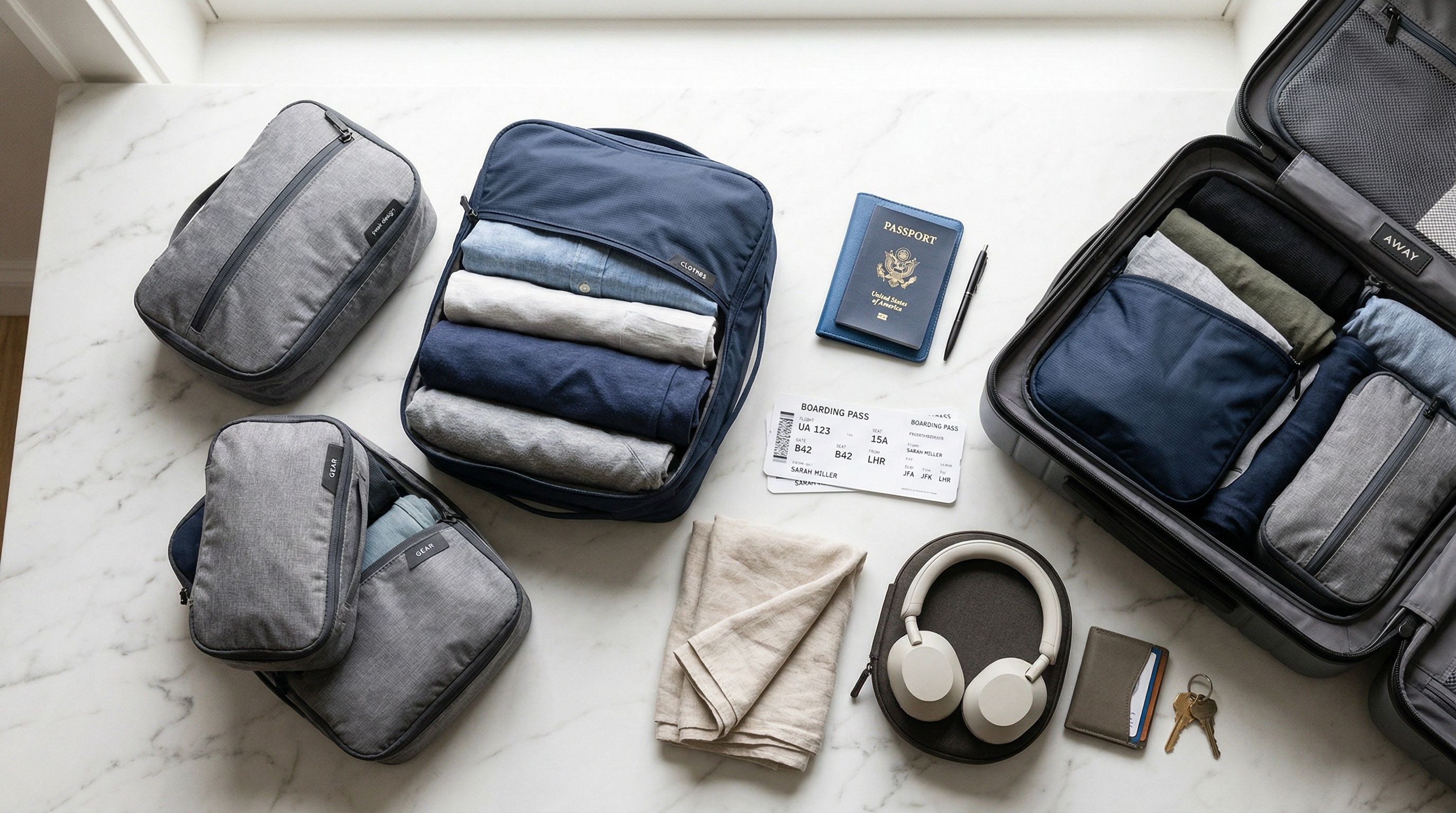
Best Packing Cubes for Travel
Packing cubes transformed how I travel. Here are the best ones for every budget and packing style, from basic organizers to compression cubes that slash volume by 60%.
3 picks
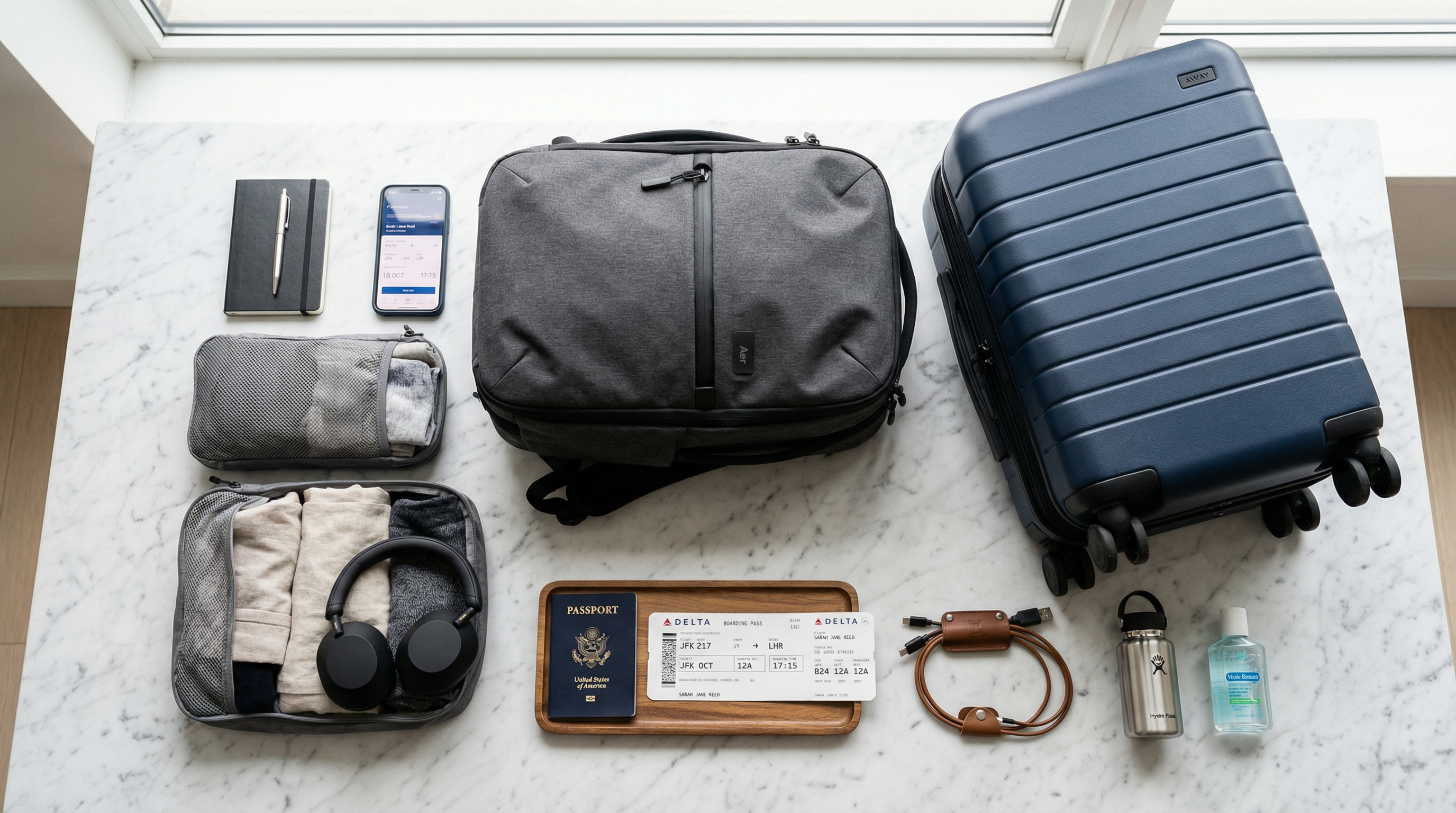
Best Travel Backpacks for Flying
The right travel backpack replaces a suitcase, fits in the overhead bin, and doesn't destroy your back. Here are the best ones for every type of traveler and budget.
3 picks
Best TSA Approved Locks for 2026
TSA-approved locks allow airport security to open your luggage with a master key instead of cutting your lock. The Master Lock 4688D and Forge TSA locks are consistently the top-rated options.
Start Here
First-Flight Picks That Make Everything Easier
Simple, practical travel gear for readers who want their first trip to feel organized from the start.
Security program
TSA PreCheck
Apply for TSA PreCheck
The best low-friction upgrade when the problem is ordinary airport security pain: shoes off, laptop out, and slow regular lines.
Offer
$76.75-$85 for 5 years
Security program
CLEAR+
Join CLEAR+
The faster add-on when the ID-check line is the real bottleneck and you fly through busy airports that support CLEAR lanes.
Offer
$209 per year
Security program
Global Entry
Apply for Global Entry
The smarter long-term pick when you want TSA PreCheck bundled with faster U.S. re-entry after international trips.
Offer
$120 for 5 years
Disclosure: Some links in this section are commercial links. We may earn from qualifying purchases or signups at no added cost to you.
Prices and availability can change.
Compare The Offers
A faster way to see which option fits your trip and price point.
Apply for TSA PreCheck
The best low-friction upgrade when the problem is ordinary airport security pain: shoes off, laptop out, and slow regular lines.
Domestic flyers who want faster security without overspending
Security program · TSA PreCheck
Strength
Best cost-to-time-saved value for most regular flyers
Tradeoff
Does not help with customs when you return from abroad
Join CLEAR+
The faster add-on when the ID-check line is the real bottleneck and you fly through busy airports that support CLEAR lanes.
Frequent flyers using major airports with CLEAR lanes
Security program · CLEAR+
Strength
Cuts the identity-check step before screening
Tradeoff
Only worth it if your airports and travel pattern actually support it
Apply for Global Entry
The smarter long-term pick when you want TSA PreCheck bundled with faster U.S. re-entry after international trips.
Travelers who take meaningful international trips
Security program · Global Entry
Strength
Bundles TSA PreCheck with customs benefits
Tradeoff
Approval takes more effort because of the interview process
Apply for TSA PreCheck
The best low-friction upgrade when the problem is ordinary airport security pain: shoes off, laptop out, and slow regular lines.
Strength
Best cost-to-time-saved value for most regular flyers
Tradeoff
Does not help with customs when you return from abroad
Join CLEAR+
The faster add-on when the ID-check line is the real bottleneck and you fly through busy airports that support CLEAR lanes.
Strength
Cuts the identity-check step before screening
Tradeoff
Only worth it if your airports and travel pattern actually support it
Apply for Global Entry
The smarter long-term pick when you want TSA PreCheck bundled with faster U.S. re-entry after international trips.
Strength
Bundles TSA PreCheck with customs benefits
Tradeoff
Approval takes more effort because of the interview process
The Winter Airport Outfit Challenge
Winter airport dressing is uniquely tricky. You need to be warm enough for the walk from your car to the terminal, efficient enough to get through TSA without holding up the line, and comfortable enough to sit on a plane for hours. The answer is strategic layering and smart shoe choices.
Outerwear: What to Wear and How to Handle It
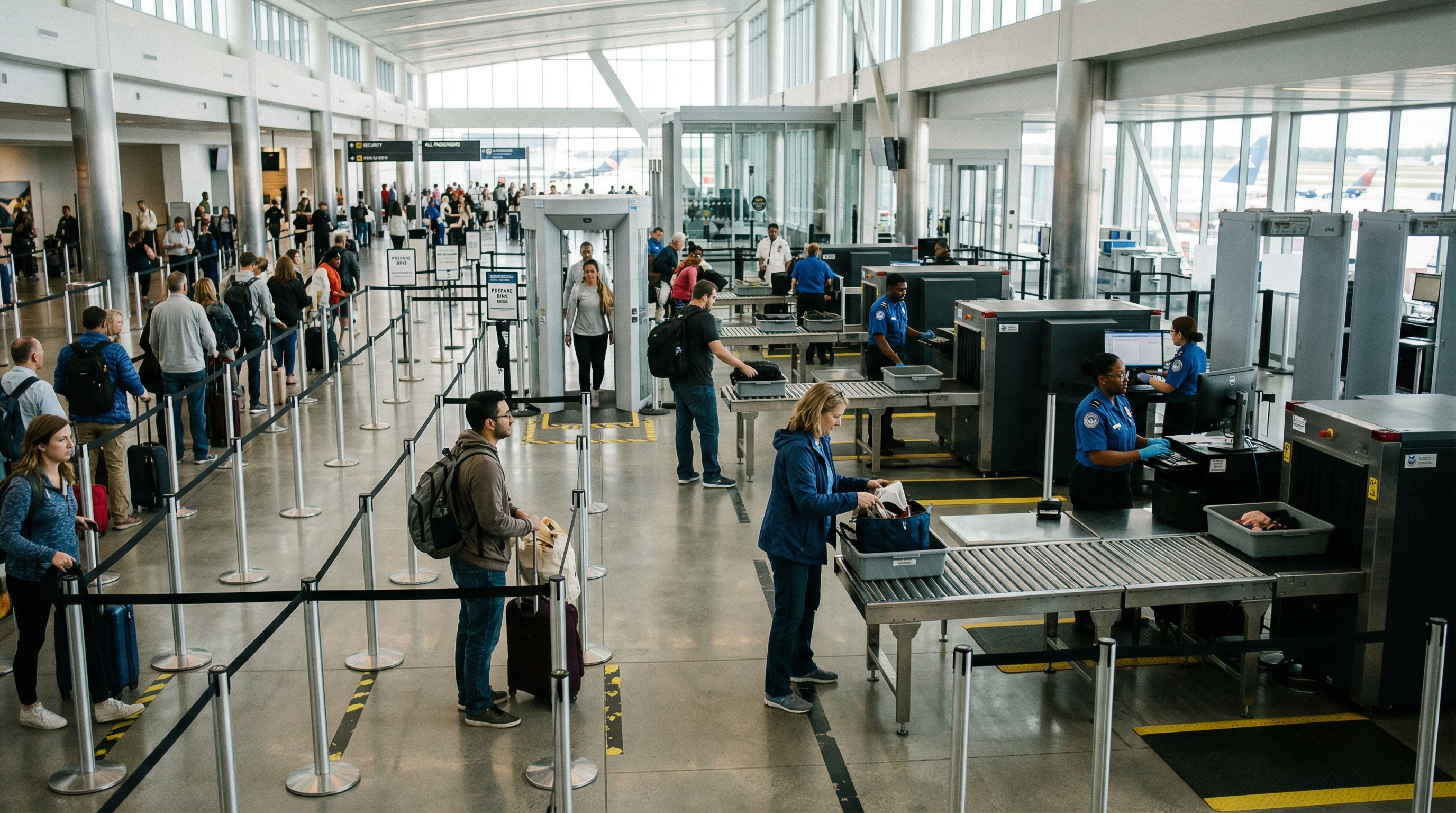
A heavy parka or down coat is perfectly appropriate for getting to the airport in winter. The issue comes at security, where you'll need to remove your jacket and put it through the X-ray machine. This isn't a problem — just be ready for it.
At the checkpoint, pull off your coat, fold it, and place it in a bin or on top of your carry-on on the belt. Once through, put it back on or stuff it in your overhead bin on the plane.
If you hate managing a bulky coat, choose something lighter. A mid-weight fleece or softshell jacket you can easily compress and stuff in your carry-on is more versatile than a giant parka for airport use. Save the heavy coat for your destination if needed, or ship it ahead.
Layering Strategy for Winter Flights
Airplane cabins are cold year-round, but it's still wise to dress in layers because temperatures vary: the airport terminal might be warm, the jetway cold, the plane cold, and your destination could be anything.
A good winter layering system looks like this:
- Base layer: thermal undershirt or moisture-wicking long sleeve
- Mid layer: sweater, fleece, or light hoodie
- Outer layer: jacket or coat you can remove at security and stow on the plane
This system lets you add or shed warmth as the environment changes without ever being uncomfortable.
Best Pants for Winter Airport Travel
Avoid super-stiff heavy denim if you're on a long flight. Stretchy jeans are a reasonable compromise in winter, but travel pants, thick leggings, or comfortable trousers are genuinely more comfortable after a few hours in a seat. They also pack easily if you want to change on arrival.
Thermal leggings under looser pants are an effective strategy for cold-weather destinations — warm during travel, easy to adjust once you arrive.
Winter Footwear for the Airport
Winter footwear is where most people struggle at TSA. Heavy snow boots are warm and practical outside, but they're slow at security (usually lace-up, often bulky), and they take up enormous space in overhead bins if you want to change into something more comfortable on the plane.
The best options for winter airports:
- Chelsea boots or slip-on ankle boots: Pull off in one motion at security, stylish, warm enough for most winter conditions
- Waterproof slip-on sneakers: Easy at security, practical in slushy conditions
- Ugg-style boots: Warm and easy to remove, though not great in wet snow
If you absolutely need heavy winter boots for your destination (think skiing or extreme cold), wear them to the airport to save bag space, then pack lighter shoes to change into on the plane. Your feet will thank you.
What NOT to Wear in Winter
- Multiple layers of metal hardware: Winter fashion often involves buckles, chains, and zippers. Minimize these, especially near your waist, to get through the metal detector faster.
- Heavy lace-up boots: Slow to remove, slow to put back on, frustrating for everyone behind you in line
- Bulky scarves you can't easily manage: You'll need to remove scarves with metal clasps at security; use soft fabric wraps instead
- Hand warmers left in your jacket: Remove them before placing your jacket on the X-ray belt — they sometimes trigger alarms
Hats and Gloves
Hats and gloves need to come off at security (they go in the bin). This is a quick step, but worth being mentally prepared for. Stuff them in your bag or coat pocket as you approach the checkpoint.
Avoid hats with significant metal accents, though most beanies and winter hats go through without issue.
The Scarf as a Multi-Tool
A lightweight wool or cashmere scarf is one of the most useful winter travel items you can carry. It's warm outside, doubles as a blanket on the plane, and doesn't take up meaningful bag space. Far more versatile than a neck pillow for most people, and warmer. Pack it in your personal item for easy access during boarding.
Dressing for TSA in Winter
The security checkpoint in winter involves a few extra steps compared to summer:
- Remove your coat and place it in a bin
- Remove boots or shoes (unless you have TSA PreCheck)
- Remove hat and gloves if wearing them
- Remove your scarf if it has metal hardware
- Empty your coat pockets before placing it on the belt
The whole process moves faster when you dress with security in mind. Slip-on boots, minimal metal, and pockets you've already emptied into your bag shave minutes off the checkpoint experience.
What to Pack for On-Plane Comfort
Keep your mid-layer accessible — either in your personal item under the seat or in your coat. Planes are cold, and the airline blankets (when provided) are thin. Your sweater or light fleece makes all the difference on a long flight.
Compression socks are worth wearing on any flight over three hours, including winter flights. The cabin pressure and long hours of sitting reduce circulation regardless of season.
The Winter Airport Outfit Formula
- Breathable base layer (thermal or long-sleeve shirt)
- Warm mid-layer (sweater or fleece)
- Outer jacket or coat (removable at security)
- Comfortable pants (stretchy jeans, travel trousers, or thick leggings)
- Slip-on boots or ankle boots (easy to remove)
- Hat and gloves (stored in bag or coat pocket before checkpoint)
- Lightweight scarf (doubles as blanket)
Frequently Asked Questions
Do I have to take off my winter boots at TSA?
Yes, unless you have TSA PreCheck. Wear boots that are easy to slip off and put back on — Chelsea boots and pull-on ankle boots are the most airport-friendly winter footwear.
Should I wear my heavy coat on the plane?
You can stow it in the overhead bin. Most people find it more comfortable to take it off on the plane since cabins, while cool, are warmer than winter outdoors. Keep a mid-layer accessible for in-flight warmth.
Do I need to remove my hat and gloves at security?
Yes, you'll need to place them in a bin or with your carry-on at the X-ray checkpoint. Have them ready to remove quickly as you approach.
What's the best scarf for winter travel?
A lightweight wool or cashmere scarf with no metal hardware. It keeps you warm in the cold, doubles as a blanket on the plane, and doesn't set off alarms at security.
Official Sources
TSA Travel
Transportation Security Administration · https://www.tsa.gov/travel
General TSA travel guidance, security rules, and screening information.
Aviation Consumer Protection
U.S. Department of Transportation · https://www.transportation.gov/airconsumer
Official DOT consumer resources for delays, refunds, baggage issues, and complaints.
International Travel
U.S. Department of State · https://travel.state.gov/content/travel/en/international-travel.html
Official U.S. international travel hub covering passports, destination info, and travel advisories.
What Can I Bring?
Transportation Security Administration · https://www.tsa.gov/travel/security-screening/whatcanibring/all
The TSA's searchable database for carry-on and checked-bag item rules.
More First Time Flyers Answers
Keep building context with more closely related questions in this topic cluster.
Best Luggage Scales to Avoid Overweight Fees
Overweight baggage fees range from $50 to $200. A $12 luggage scale pays for itself on the first trip. Here are the best portable scales for weighing your bags at home.
Best Luggage Trackers: AirTag vs Tile vs Samsung
Lost luggage is stressful enough without wondering where your bag actually is. Here's how AirTag, Tile, and Samsung SmartTag compare for tracking checked bags through airports.
Best Packing Cubes for Travel
Packing cubes transformed how I travel. Here are the best ones for every budget and packing style, from basic organizers to compression cubes that slash volume by 60%.
Best Portable Chargers for Travel
A dead phone at the airport is a nightmare. Here are the best portable chargers for travel, from compact lipstick-sized options to laptop-charging powerhouses.
Best Travel Backpacks for Flying
The right travel backpack replaces a suitcase, fits in the overhead bin, and doesn't destroy your back. Here are the best ones for every type of traveler and budget.
Do You Have to Remove Your Laptop from Your Bag at TSA?
At standard TSA checkpoints, yes — laptops and large tablets must be removed from your bag and placed in a separate bin. TSA PreCheck members can leave them in their bags.
Disclosure: Some links in this section are commercial links. We may earn from qualifying purchases or signups at no added cost to you.
Air Travel Questions Editorial Team
Researched Against Official Travel Sources
We build guides around official TSA, airline, airport, DOT, and government guidance, then update pages as rules and policies change. Read our editorial policy. Browse our source library.
Was this article helpful?
Get travel tips and deals in your inbox
Join our newsletter for expert travel advice, packing tips, and exclusive deals — delivered weekly.