What Triggers the TSA Alarm?
Quick Answer
The most common TSA alarm triggers are forgotten items in pockets, metal clothing hardware like belt buckles, underwire bras, body jewelry, and medical devices. Most are easy to resolve.
Answer Snapshot
What matters before you fly
This page is structured for fast scanning, direct answers, and source-first verification.
Updated
Mar 19, 2026
Read Time
4 min read
Topic
First Time Flyers
Need To Know
- You explain what it is ("I have an insulin pump on my hip," "I forgot about my hair clip")
- The agent visually verifies or does a targeted pat-down of the flagged area
- They clear you and you move on
Buying Guides
Best Next Buying Guides For This Topic
These money pages are the most relevant commercial follow-ups for readers who want a practical next step.
2 picks
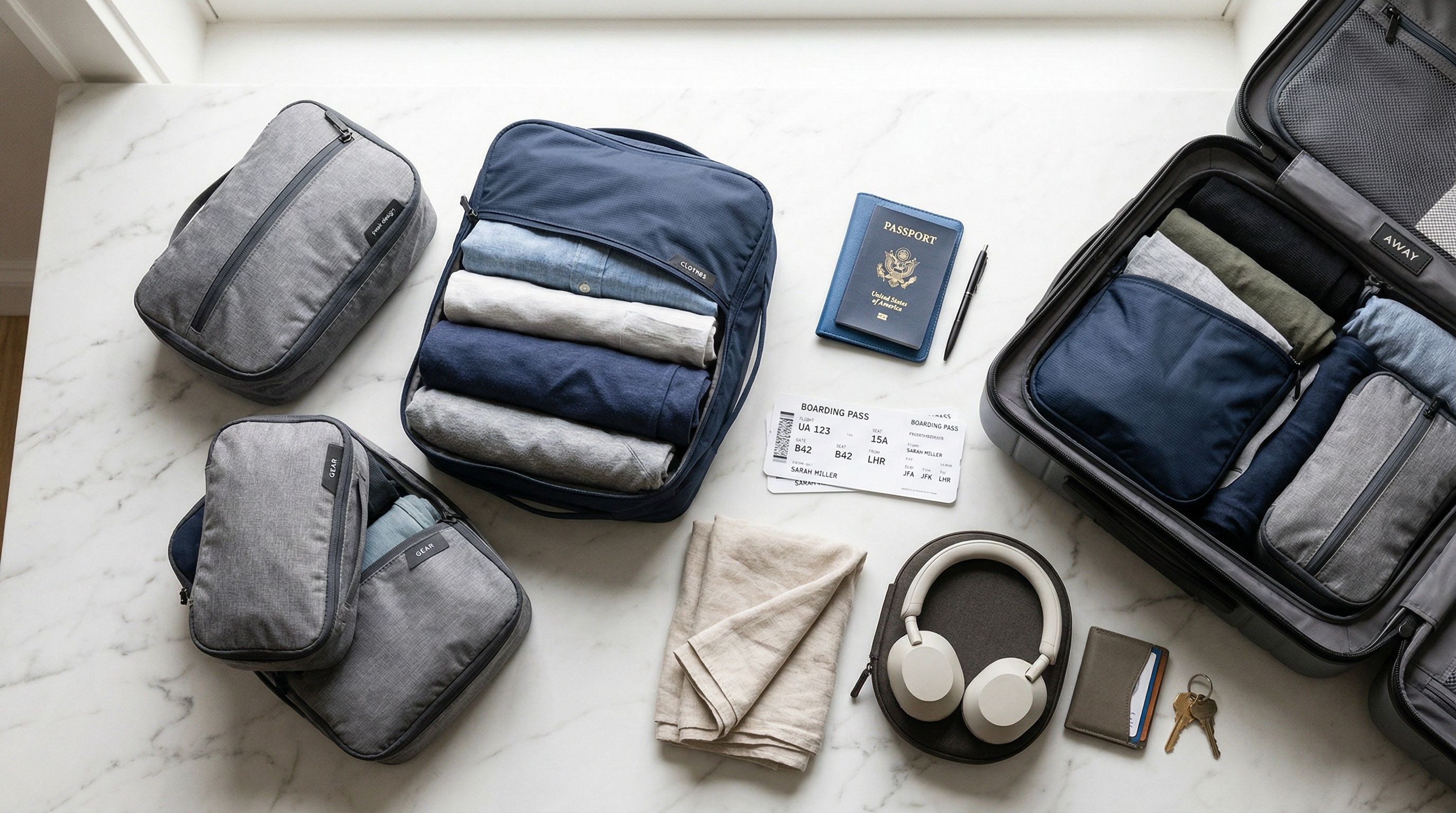
Best Under-Seat Bags for Flying in 2026
The best under-seat bags are structured enough to hold their shape but slim enough to slide under airplane seats. Look for bags around 18x14x8 inches or smaller with organization pockets.
3 picks
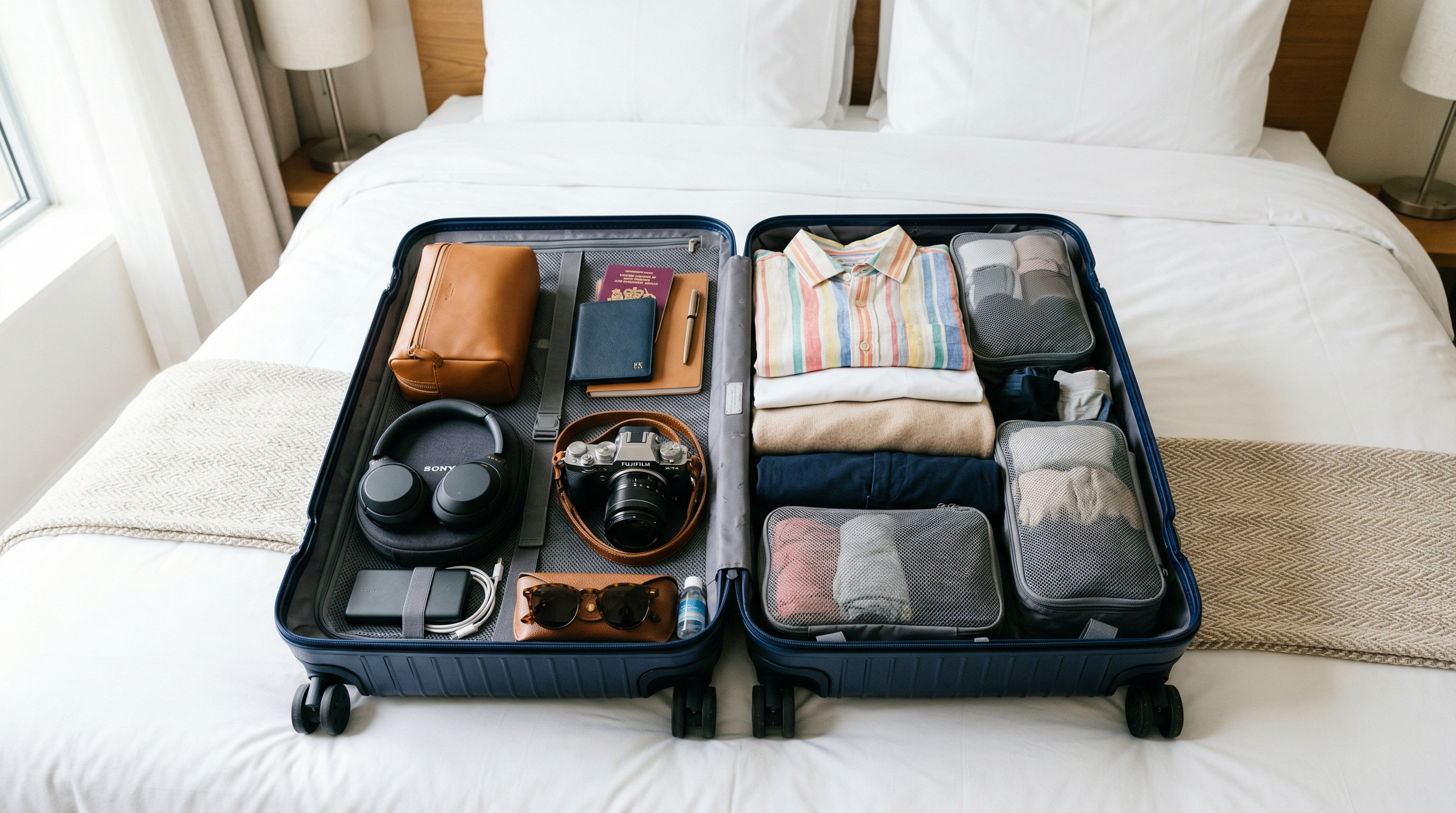
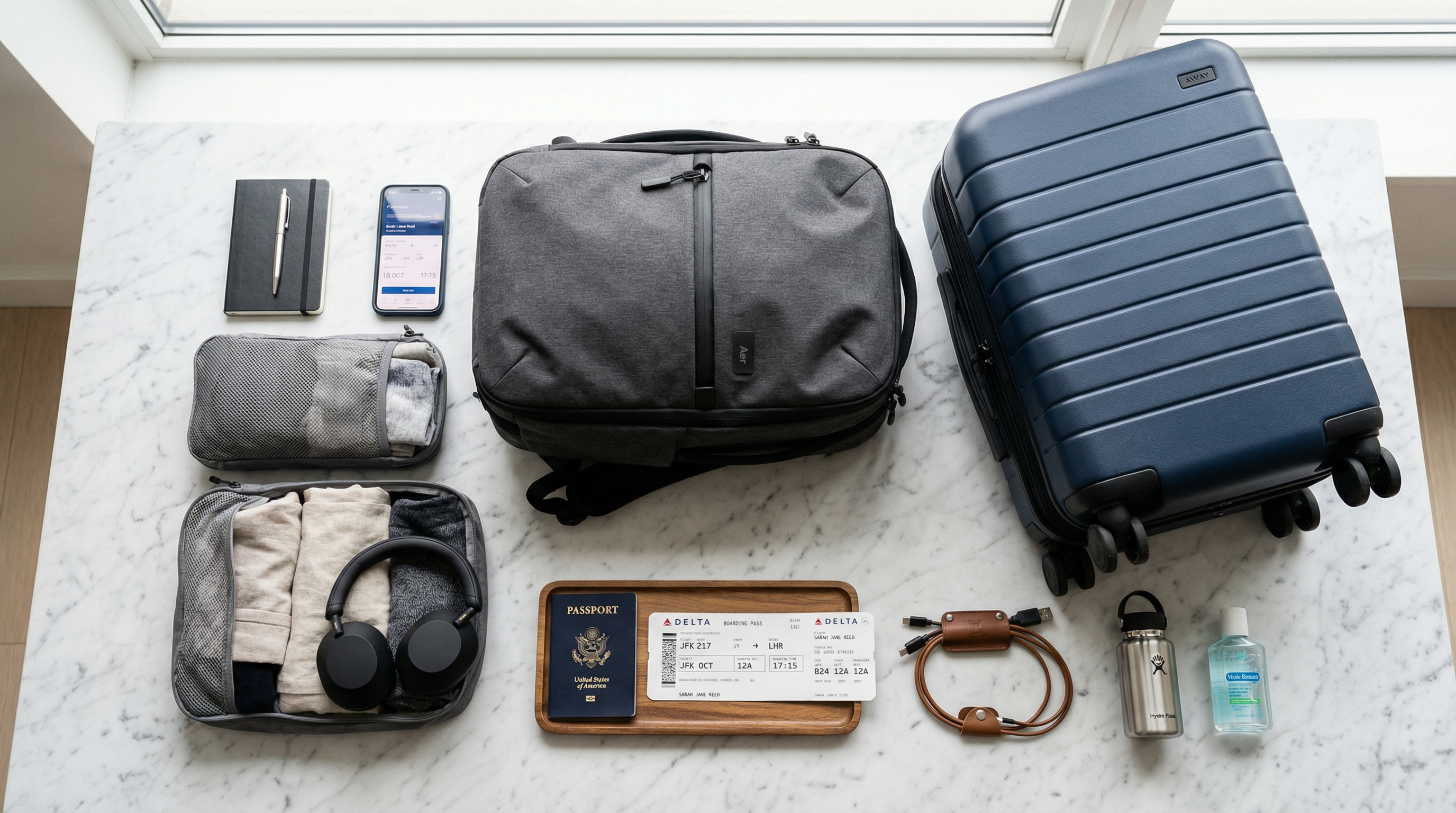
Best Packing Cubes for Travel
Packing cubes transformed how I travel. Here are the best ones for every budget and packing style, from basic organizers to compression cubes that slash volume by 60%.
3 picks
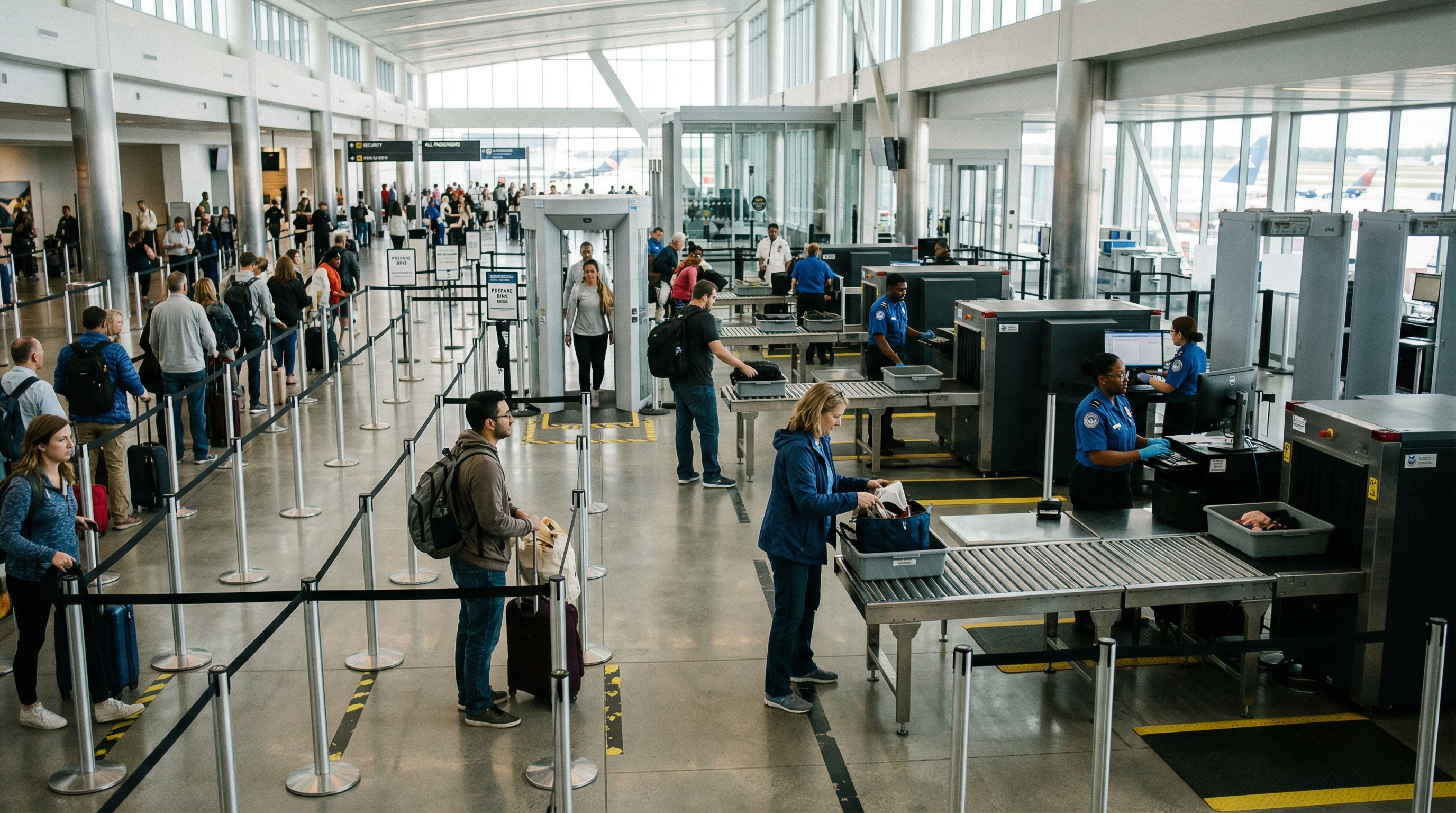
Best Travel Backpacks for Flying
The right travel backpack replaces a suitcase, fits in the overhead bin, and doesn't destroy your back. Here are the best ones for every type of traveler and budget.
3 picks
Best TSA Approved Locks for 2026
TSA-approved locks allow airport security to open your luggage with a master key instead of cutting your lock. The Master Lock 4688D and Forge TSA locks are consistently the top-rated options.
Start Here
First-Flight Picks That Make Everything Easier
Simple, practical travel gear for readers who want their first trip to feel organized from the start.
Security program
TSA PreCheck
Apply for TSA PreCheck
The best low-friction upgrade when the problem is ordinary airport security pain: shoes off, laptop out, and slow regular lines.
Offer
$76.75-$85 for 5 years
Security program
CLEAR+
Join CLEAR+
The faster add-on when the ID-check line is the real bottleneck and you fly through busy airports that support CLEAR lanes.
Offer
$209 per year
Security program
Global Entry
Apply for Global Entry
The smarter long-term pick when you want TSA PreCheck bundled with faster U.S. re-entry after international trips.
Offer
$120 for 5 years
Disclosure: Some links in this section are commercial links. We may earn from qualifying purchases or signups at no added cost to you.
Prices and availability can change.
Compare The Offers
A faster way to see which option fits your trip and price point.
Apply for TSA PreCheck
The best low-friction upgrade when the problem is ordinary airport security pain: shoes off, laptop out, and slow regular lines.
Domestic flyers who want faster security without overspending
Security program · TSA PreCheck
Strength
Best cost-to-time-saved value for most regular flyers
Tradeoff
Does not help with customs when you return from abroad
Join CLEAR+
The faster add-on when the ID-check line is the real bottleneck and you fly through busy airports that support CLEAR lanes.
Frequent flyers using major airports with CLEAR lanes
Security program · CLEAR+
Strength
Cuts the identity-check step before screening
Tradeoff
Only worth it if your airports and travel pattern actually support it
Apply for Global Entry
The smarter long-term pick when you want TSA PreCheck bundled with faster U.S. re-entry after international trips.
Travelers who take meaningful international trips
Security program · Global Entry
Strength
Bundles TSA PreCheck with customs benefits
Tradeoff
Approval takes more effort because of the interview process
Apply for TSA PreCheck
The best low-friction upgrade when the problem is ordinary airport security pain: shoes off, laptop out, and slow regular lines.
Strength
Best cost-to-time-saved value for most regular flyers
Tradeoff
Does not help with customs when you return from abroad
Join CLEAR+
The faster add-on when the ID-check line is the real bottleneck and you fly through busy airports that support CLEAR lanes.
Strength
Cuts the identity-check step before screening
Tradeoff
Only worth it if your airports and travel pattern actually support it
Apply for Global Entry
The smarter long-term pick when you want TSA PreCheck bundled with faster U.S. re-entry after international trips.
Strength
Bundles TSA PreCheck with customs benefits
Tradeoff
Approval takes more effort because of the interview process
The Two Types of TSA Screening: Metal Detector vs. Body Scanner
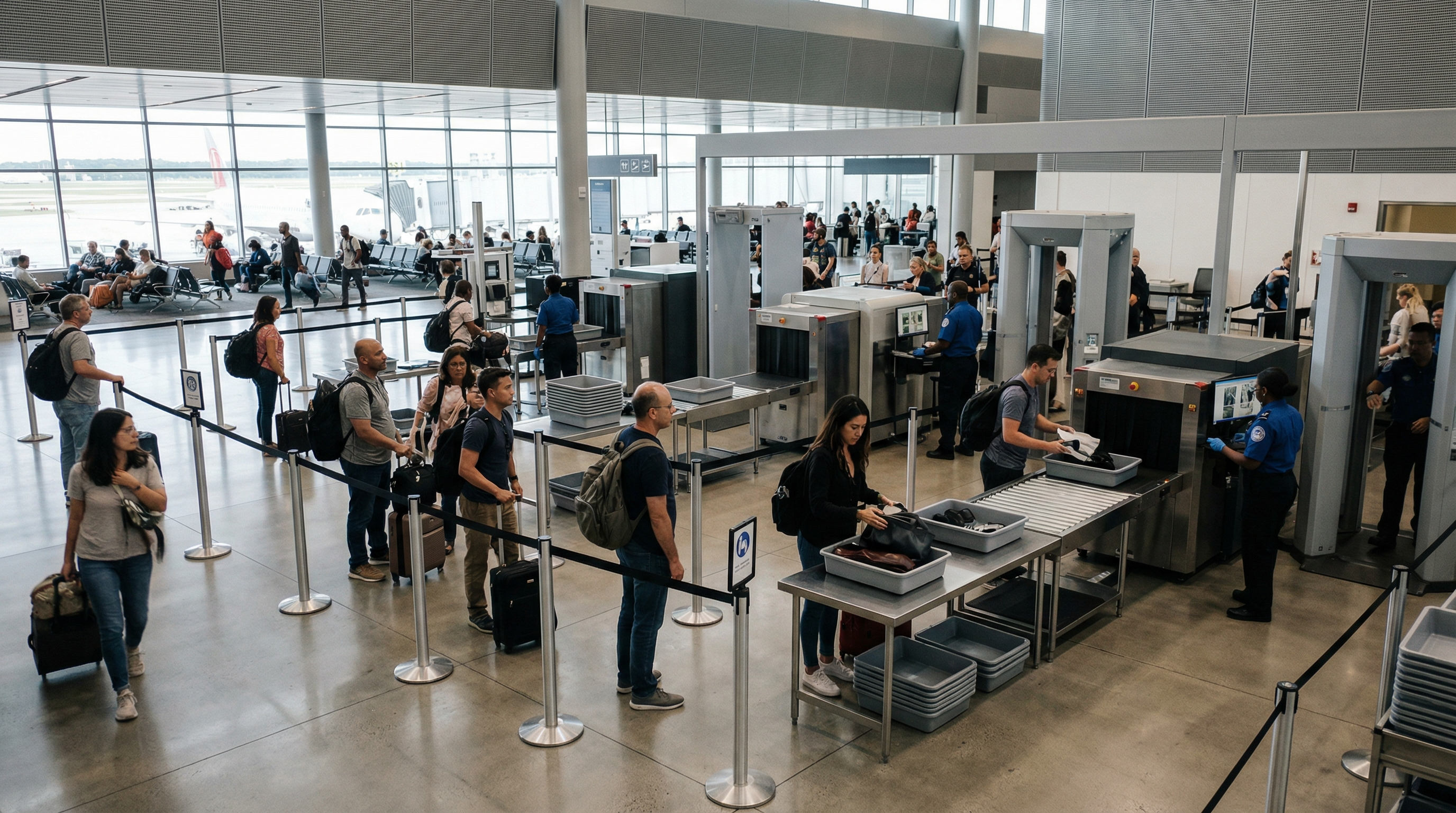
Understanding what triggers a TSA alarm starts with knowing which machine you're dealing with. Most standard checkpoints use a full-body millimeter wave scanner. TSA PreCheck lanes use a traditional walk-through metal detector. Each responds to different things.
Metal detectors pick up metallic items: coins, keys, belt buckles, jewelry, and ferrous metals in clothing or shoes. They don't detect plastic, ceramic, wood, or most non-metallic materials.
Body scanners detect anything that creates a contrast against your body — metal, plastic, ceramic, certain dense fabrics, medical devices, and even wadded-up paper or thick waistbands.
Most Common Reasons the Alarm Goes Off
Forgotten Items in Pockets
This is the number one cause. Coins, a forgotten lighter, lip balm, keys, a folded receipt, or a phone left in a pocket will reliably trigger the scanner or detector. Empty every pocket before you approach — not at the belt, before you get in line.
Belt Buckles
Large metal belt buckles are one of the most common triggers at the metal detector. Remove your belt and put it through the X-ray machine before walking through. If you're wearing a belt with an elastic strap and small plastic buckle, it's usually fine.
Underwire Bras
Underwire bras can trigger the body scanner (not always the metal detector). If flagged, the agent will pat down the chest area to verify. It's a known and common occurrence — agents handle it routinely. If it bothers you, consider wearing a sports bra or wireless bra on travel days.
Body Jewelry
Piercings — especially navel, nipple, or facial piercings — can trigger the scanner. You don't need to remove them, but know it may cause a secondary check. If you have many piercings, let the agent know proactively so they're not surprised by multiple flags.
Shoes with Metal Components
Steel toe caps in work boots, metal shank supports in some dress shoes, and large metal buckles or zippers on boots all trigger the metal detector. This is why standard screening requires shoes off — so they can go through X-ray separately.
Medical Devices and Implants
Pacemakers, defibrillators, insulin pumps, cochlear implants, joint replacements (hip, knee), and other implanted hardware will trigger alarms. Always inform the TSA agent before screening. You can request a pat-down instead of the scanner, and you have the right to a private screening. Carry documentation from your doctor for implanted devices when traveling.
Prosthetic Limbs
Prosthetic arms and legs trigger both metal detectors and body scanners. TSA agents are trained to handle these situations respectfully. Inform the agent before screening, and you'll receive a pat-down in addition to or instead of the scanner.
Thick Clothing and Dense Waistbands
Heavily padded clothing, thick waistbands, dense layering, and some types of compression wear can register as anomalies on the body scanner because they create contrast against your body. The scanner can't distinguish between dense fabric and a hidden item.
Hair Accessories
Metal hair clips, barrettes, bobby pins, and decorative hair accessories with metal components can trigger the scanner when worn. This is usually a quick pat-down of the head area to verify.
Titanium and Surgical Implants
Contrary to popular belief, titanium implants (hip replacements, spinal rods, screws) do not consistently trigger metal detectors because titanium is non-ferrous. However, body scanners detect them because they create contrast. If you have surgical hardware, inform the agent and expect a pat-down at the location of the implant.
Stoma Bags, Ostomy Devices, and External Medical Equipment
Ostomy bags, urinary catheters, and other external medical equipment will be flagged by the body scanner. The TSA Cares helpline (1-855-787-2227) can help you understand your options before traveling with these devices. You have the right to a private screening.
What Happens After the Alarm?
If the alarm goes off, stay calm. A TSA agent will direct you to secondary screening. They'll ask what might have caused the alert. In most cases:
- You explain what it is ("I have an insulin pump on my hip," "I forgot about my hair clip")
- The agent visually verifies or does a targeted pat-down of the flagged area
- They clear you and you move on
The whole process usually takes 2-5 minutes. Being cooperative and explaining items proactively makes it faster.
What Does NOT Trigger the Alarm
- Most standard underwear and bras (without underwire)
- Paper, books, boarding passes
- Regular sneakers and leather shoes
- Standard clothing without hardware
- Prescription eyeglasses and sunglasses
- Hearing aids
- Most watches (though some metal-heavy watches do trigger)
Tips to Avoid Triggering the Alarm
- Empty all pockets completely before approaching the checkpoint
- Put your phone, wallet, keys, and change in your bag before you get in line
- Remove your belt before approaching
- Wear minimal metal jewelry on travel days
- If you have a medical device, notify the agent proactively
- Wear shoes with minimal metal hardware
Frequently Asked Questions
Does underwire in a bra set off the TSA alarm?
It can trigger the body scanner, though not always. If flagged, the agent does a targeted pat-down of the chest area. Wearing a sports bra on travel days avoids this entirely.
Will my hip replacement set off the metal detector at TSA?
Hip replacements often trigger the body scanner (less often the metal detector since titanium is non-ferrous). Inform the TSA agent before screening — you'll receive a pat-down at that location.
What is the most common thing that triggers the TSA alarm?
Forgotten items in pockets — coins, keys, a phone, lip balm. Empty all pockets completely before approaching the checkpoint to avoid this.
What happens when the TSA alarm goes off?
You're directed to secondary screening. An agent asks what might have caused the alert, does a targeted pat-down if needed, and clears you. It usually takes 2-5 minutes.
Official Sources
TSA Travel
Transportation Security Administration · https://www.tsa.gov/travel
General TSA travel guidance, security rules, and screening information.
Aviation Consumer Protection
U.S. Department of Transportation · https://www.transportation.gov/airconsumer
Official DOT consumer resources for delays, refunds, baggage issues, and complaints.
International Travel
U.S. Department of State · https://travel.state.gov/content/travel/en/international-travel.html
Official U.S. international travel hub covering passports, destination info, and travel advisories.
What Can I Bring?
Transportation Security Administration · https://www.tsa.gov/travel/security-screening/whatcanibring/all
The TSA's searchable database for carry-on and checked-bag item rules.
More First Time Flyers Answers
Keep building context with more closely related questions in this topic cluster.
Best Luggage Scales to Avoid Overweight Fees
Overweight baggage fees range from $50 to $200. A $12 luggage scale pays for itself on the first trip. Here are the best portable scales for weighing your bags at home.
Best Luggage Trackers: AirTag vs Tile vs Samsung
Lost luggage is stressful enough without wondering where your bag actually is. Here's how AirTag, Tile, and Samsung SmartTag compare for tracking checked bags through airports.
Best Packing Cubes for Travel
Packing cubes transformed how I travel. Here are the best ones for every budget and packing style, from basic organizers to compression cubes that slash volume by 60%.
Best Portable Chargers for Travel
A dead phone at the airport is a nightmare. Here are the best portable chargers for travel, from compact lipstick-sized options to laptop-charging powerhouses.
Best Travel Backpacks for Flying
The right travel backpack replaces a suitcase, fits in the overhead bin, and doesn't destroy your back. Here are the best ones for every type of traveler and budget.
Do You Have to Remove Your Laptop from Your Bag at TSA?
At standard TSA checkpoints, yes — laptops and large tablets must be removed from your bag and placed in a separate bin. TSA PreCheck members can leave them in their bags.
Disclosure: Some links in this section are commercial links. We may earn from qualifying purchases or signups at no added cost to you.
Air Travel Questions Editorial Team
Researched Against Official Travel Sources
We build guides around official TSA, airline, airport, DOT, and government guidance, then update pages as rules and policies change. Read our editorial policy. Browse our source library.
Was this article helpful?
Get travel tips and deals in your inbox
Join our newsletter for expert travel advice, packing tips, and exclusive deals — delivered weekly.