Can You Bring a Car Seat on a Plane?
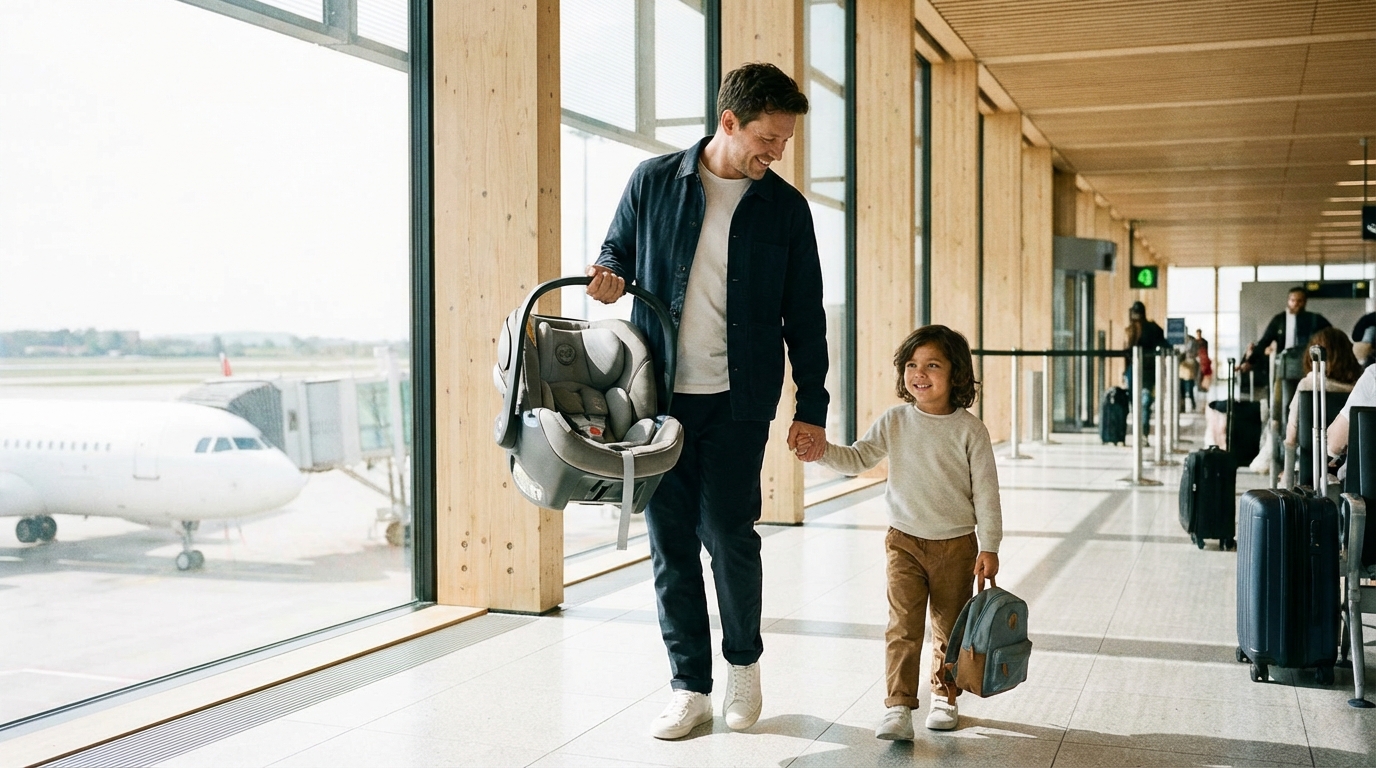
Quick Answer
Yes, you can bring a car seat on a plane. The TSA allows car seats through security in carry-on or checked bags. To use one on the aircraft, it must be FAA-approved and your child needs their own purchased seat.
Yes. You can bring a car seat on a plane. The TSA allows child car seats through security, and airlines let you use FAA-approved car seats on board. But there's an important catch -- your child needs their own ticket with a purchased seat to guarantee you can use the car seat during the flight.
TSA Rules for Car Seats
Getting a car seat through airport security is simple. The TSA allows car seats in both carry-on and checked bags. At the security checkpoint, your car seat will go through the X-ray machine just like any other item. If it doesn't fit through the X-ray, TSA officers will do a visual and physical inspection instead.
There's no special paperwork or advance notice required. Just bring it to the checkpoint and let TSA handle the screening. The car seat doesn't count as your carry-on bag -- it's treated as a child-related item, similar to a stroller.
FAA Approval: The Key Requirement
Here's the most important thing to know: to use a car seat on the plane, it must be FAA-approved. The FAA calls these "child restraint systems" (CRS), and they have specific requirements.
Look for this label on your car seat: "This restraint is certified for use in motor vehicles and aircraft." That sticker is what the flight crew will look for before allowing you to install the car seat. If your car seat doesn't have that label, you can't use it during the flight.
Most major car seat brands sold in the U.S. are FAA-approved, including popular models from Graco, Britax, Chicco, Evenflo, and Nuna. Check your car seat before you head to the airport -- the sticker is usually on the side or back of the seat.
What's NOT Allowed on the Plane
Not all child restraints are approved for aircraft use:
- Booster seats -- No booster seats are FAA-approved. None. They cannot be used on an airplane during taxi, takeoff, or landing.
- Backless car seats -- Not approved for aircraft use.
- Baby carriers and wraps -- Not approved as restraint systems during takeoff, landing, or ground movement. Your baby must be held in your arms or in an FAA-approved car seat during those phases.
- Harness vests -- The CARES harness is the only FAA-approved harness alternative to a car seat. It's designed specifically for airplane use and works for kids 22-44 pounds.
Your Child Needs Their Own Seat
This is where the cost comes in. To use a car seat on the plane, your child needs a purchased seat -- you can't put a car seat in a seat that doesn't have a ticket associated with it.
Children under 2 can fly as "lap infants" for free on domestic flights, but that means they sit on your lap without a car seat. If you want to use a car seat for your infant, you'll need to buy a separate ticket.
The FAA strongly recommends purchasing a seat for children of all ages and using an approved car seat. Turbulence is unpredictable, and a car seat provides far better protection than a parent's arms. But it's a recommendation, not a requirement for children under 2.
Some airlines will let you use a car seat in an empty adjacent seat for free if the flight isn't full. This is not guaranteed and depends entirely on the airline's policy and seat availability. Ask the gate agent, but don't count on it.
Installing the Car Seat on the Plane
Installing a car seat on an airplane is different from installing one in your car. Here's what to know:
- Car seats go in window seats. Airlines require car seats to be placed in window seats so they don't block other passengers from exiting the row in an emergency. Some airlines make exceptions for rows with only two seats.
- Use the airplane seat belt. Thread the airplane lap belt through the car seat's belt path, just like you'd use a car's seat belt. LATCH anchors aren't available on airplane seats.
- Rear-facing is fine. If your child's car seat is rear-facing, you can install it rear-facing on the plane. The seat in front provides the surface the car seat needs.
- Width matters. Most airplane seats are about 16-18 inches wide. Check that your car seat fits within that width. Some larger convertible car seats are too wide for airplane seats, especially on regional jets.
- Ask the flight crew for help. If you're struggling with installation, flight attendants can assist. They've seen every car seat configuration imaginable.
Gate Checking vs. Checking at the Counter
If you're not using the car seat on the plane (maybe your child is sitting on your lap), you have two options for getting it to your destination:
- Gate check it. Bring the car seat to the gate and check it there. It'll be waiting for you on the jet bridge when you land. This is the most common approach. Gate checking is free on all major airlines.
- Check it at the ticket counter. Hand it over with your checked bags. This is free on most airlines -- car seats don't count toward your checked bag limit. Put it in a car seat travel bag to protect it from damage during handling.
Gate checking is generally better because the car seat spends less time being tossed around by baggage handlers. But either way, car seats check for free on virtually every U.S. airline.
Protecting Your Car Seat During Travel
Car seats take a beating during baggage handling. Here's how to protect yours:
- Use a car seat travel bag. A padded bag protects against scuffs, dirt, and minor impacts. Many have wheels, which makes hauling the seat through the airport much easier.
- Check for damage when you arrive. Inspect the car seat thoroughly -- look for cracks in the shell, bent buckles, or torn straps. If you find damage, report it to the airline immediately and don't use the seat until you've confirmed it's still safe.
- File a claim for damage. Airlines are liable for damage to checked items, including car seats. Keep your gate check tag as proof.
Navigating the Airport with a Car Seat
Lugging a car seat through an airport is not fun. Some strategies that help:
- Car seat travel cart. A small wheeled cart that your car seat sits on -- doubles as a stroller through the airport. The Go-Go Babyz Travelmate is a popular option.
- Travel car seat. Lightweight car seats designed for travel weigh as little as 8-14 pounds compared to 20-30+ pounds for standard seats. The Cosco Scenera Next and WAYB Pico are popular travel-specific options.
- Car seat and stroller combo. If your infant car seat clicks into a stroller frame, use that system through the airport and gate check both.
- Request wheelchair assistance. If you're traveling solo with a child and a car seat, some airlines will provide an agent to help you get to the gate.
Renting vs. Bringing Your Own
Renting a car seat at your destination is always an option. Car rental companies offer them for about $10-15 per day. But there are reasons to bring your own:
- You know it works. Your child is already comfortable in their seat, and you know how to install it correctly.
- Rental seats may not meet your standards. You don't know the history of a rental car seat -- whether it's been in an accident, how old it is, or if it's been recalled.
- It's free to bring. Airlines don't charge for car seats, so the only cost is the effort of carrying it.
- Cost adds up. At $10-15 per day for a week-long trip, renting can cost more than a decent travel car seat.
Airline-Specific Policies
While the FAA sets the baseline rules, each airline has slightly different procedures:
- Most airlines allow one car seat per child, checked for free.
- Some airlines require you to check in the car seat at the gate rather than using it on the plane if the child is a lap infant (no purchased seat).
- International carriers may have different rules. Some non-U.S. airlines don't allow car seats on board at all. Check with your specific airline before you fly.
Call your airline or check their website for car seat policies before your trip. It takes five minutes and can save you a lot of stress at the gate.
The Bottom Line
Bringing a car seat on a plane is allowed and encouraged. The TSA will screen it at security, airlines will let you check it for free, and you can use it on the plane if it's FAA-approved and your child has a purchased seat. For the safest flight with a young child, buy that extra seat and strap in the car seat. For the budget-conscious, gate check it for free and hold your child on your lap. Either way, that car seat is getting on the plane with you at no extra cost.
Frequently Asked Questions
Do car seats fly free on airlines?
Yes. All major U.S. airlines allow you to check a car seat for free, whether at the ticket counter or at the gate. It does not count toward your checked bag limit.
How do I know if my car seat is FAA-approved?
Look for a sticker on the car seat that reads "This restraint is certified for use in motor vehicles and aircraft." Most major car seat brands sold in the U.S. carry this label.
Can I use a booster seat on an airplane?
No. No booster seats are FAA-approved, and they cannot be used on an airplane during taxi, takeoff, or landing. You'll need a full car seat or the CARES harness for children 22-44 pounds.
Does my child need their own ticket to use a car seat on the plane?
Yes. To guarantee using a car seat on the plane, your child needs a purchased seat. Children under 2 can fly as lap infants for free on domestic flights, but then they can't use a car seat.
Where does the car seat go on the airplane?
Airlines require car seats to be installed in window seats so they don't block the aisle in an emergency. The car seat is secured using the airplane's lap belt threaded through the car seat's belt path.
Written by Aviation Experts
Aviation Professionals
With decades of combined experience in the aviation industry, our team shares insider knowledge to make your travel experience smoother and less stressful.
Was this article helpful?