Can You Bring Hearing Aids on a Plane?
Quick Answer
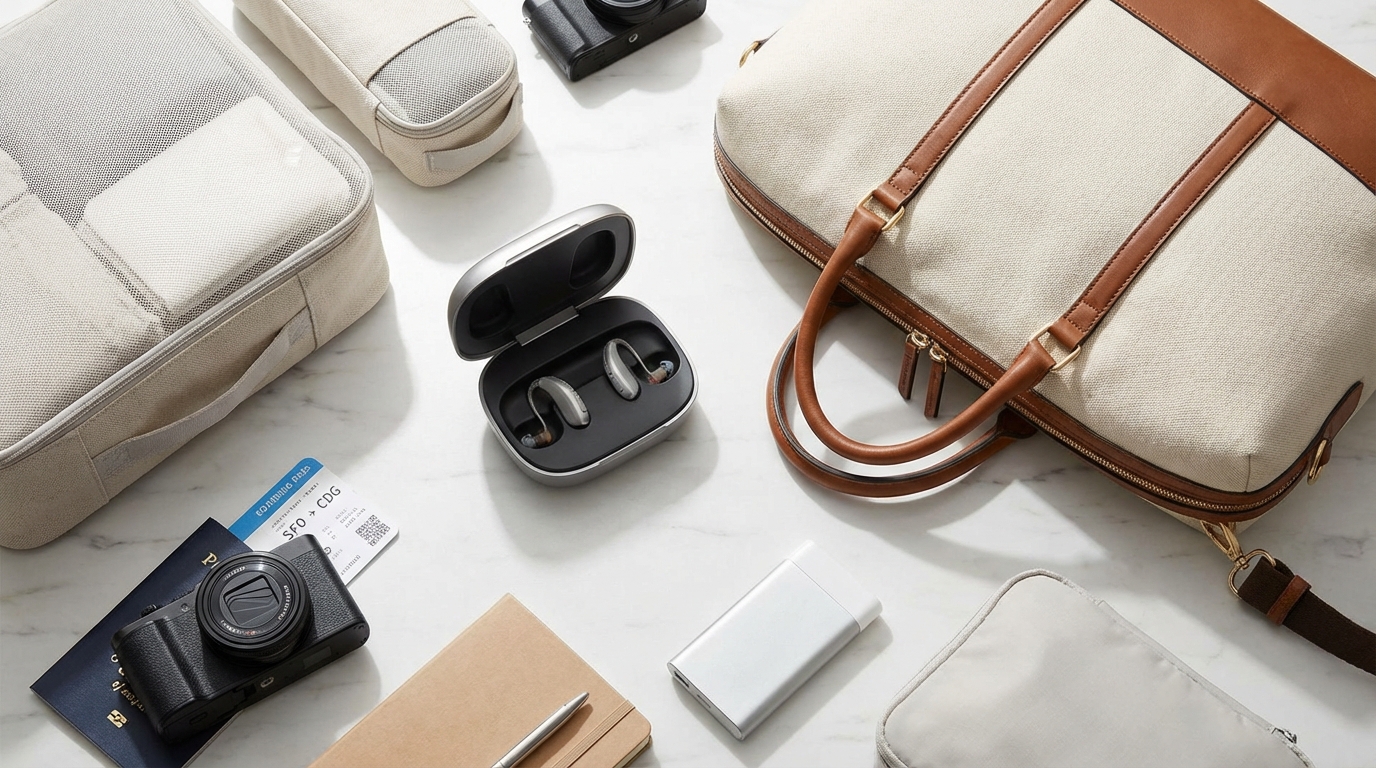
Yes, hearing aids are fully allowed on planes. You can wear them through TSA security and during the entire flight. Hearing aids are considered medical devices, not electronics, and have no restrictions.
Answer Snapshot
What matters before you fly
This page is structured for fast scanning, direct answers, and source-first verification.
Updated
Mar 19, 2026
Read Time
3 min read
Topic
TSA Rules & Prohibited Items
Carry-On
Allowed
Carrying hearing aids in bags : Allowed in carry-on and checked bags with no restrictions.
Checked Bag
Allowed
Carrying hearing aids in bags : Allowed in carry-on and checked bags with no restrictions.
Need To Know
- Wearing hearing aids through security : Fully permitted. You do not need to remove them.
- Carrying hearing aids in bags : Allowed in carry-on and checked bags with no restrictions.
- Spare batteries (disposable) : Allowed in carry-on and checked bags in any quantity.
- Rechargeable hearing aids with lithium batteries : Allowed in carry-on (lithium batteries are restricted in checked luggage in quantity, but hearing...
Official Starting Points
Buying Guides
Best Next Buying Guides For This Topic
These money pages are the most relevant commercial follow-ups for readers who want a practical next step.
2 picks
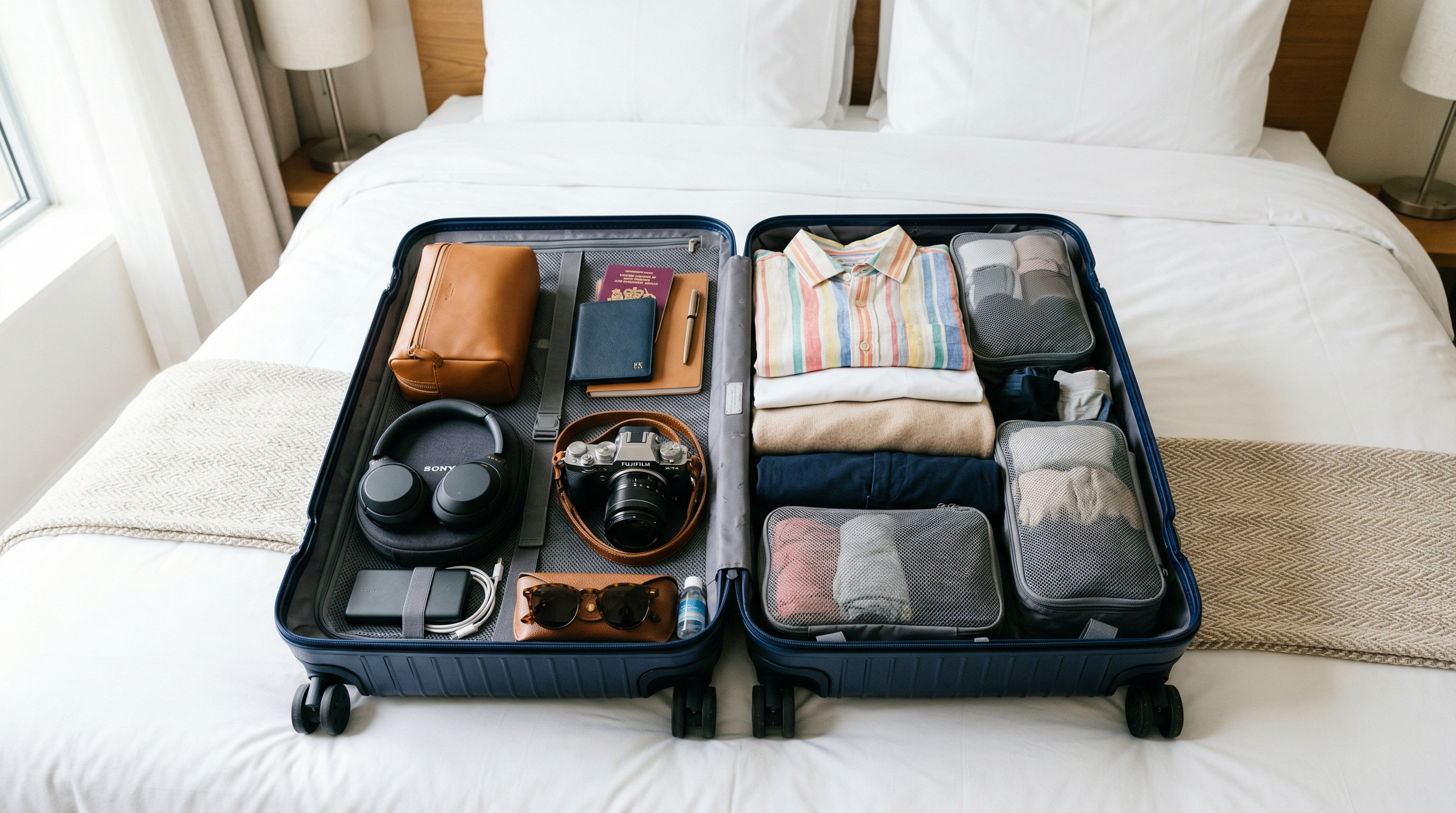
Best Under-Seat Bags for Flying in 2026
The best under-seat bags are structured enough to hold their shape but slim enough to slide under airplane seats. Look for bags around 18x14x8 inches or smaller with organization pockets.
3 picks
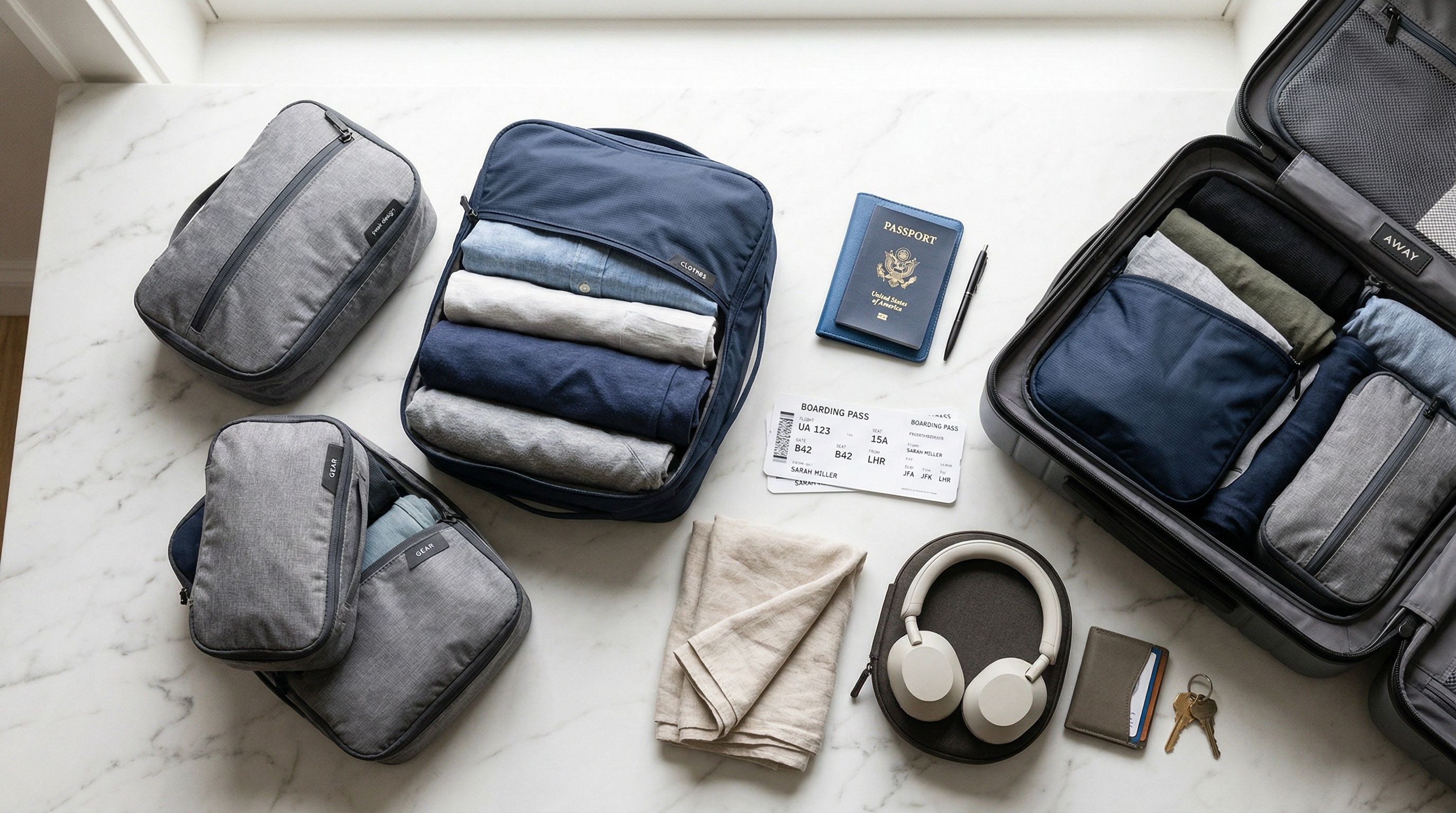
Best Packing Cubes for Travel
Packing cubes transformed how I travel. Here are the best ones for every budget and packing style, from basic organizers to compression cubes that slash volume by 60%.
3 picks
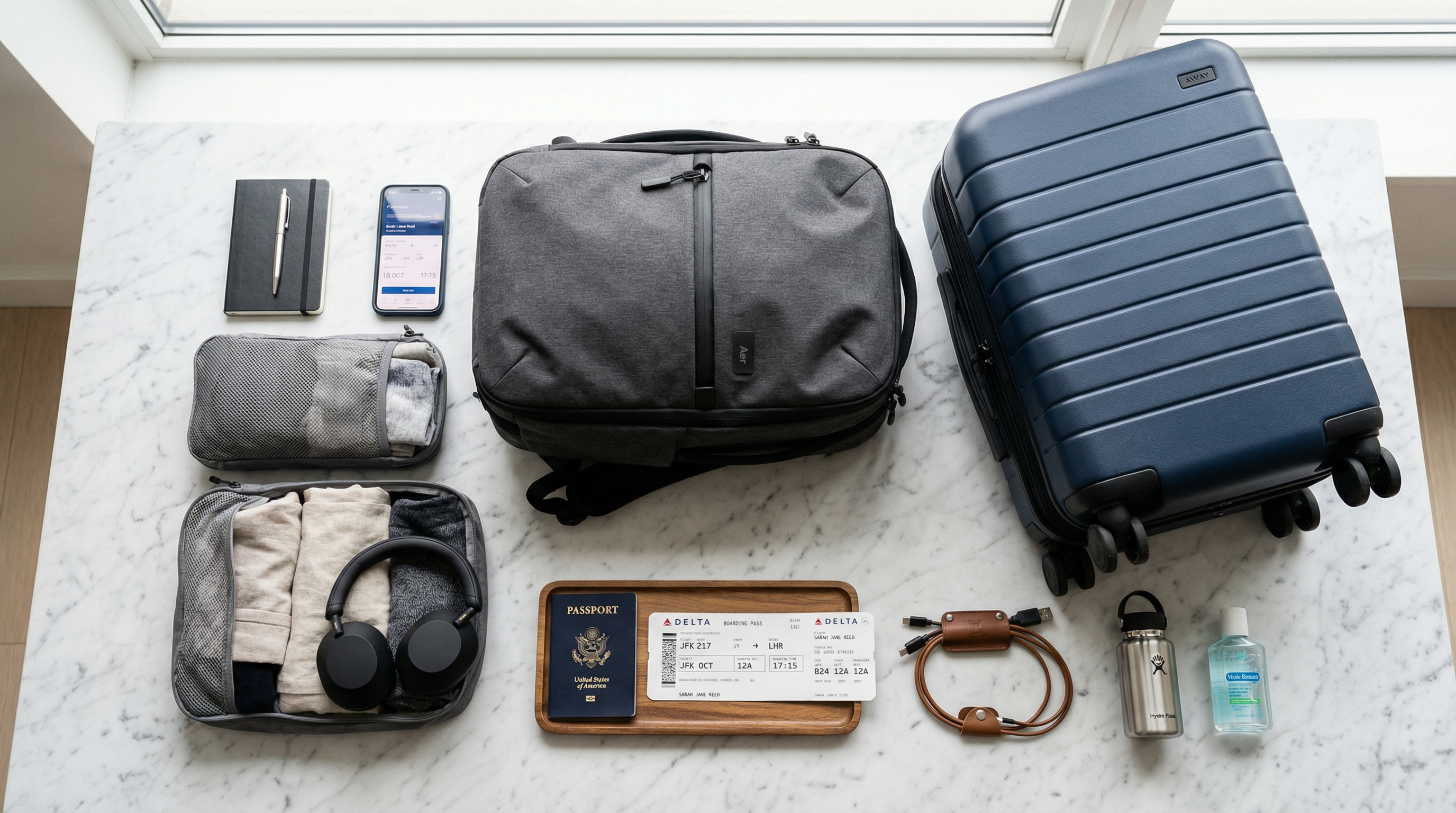
Best Travel Backpacks for Flying
The right travel backpack replaces a suitcase, fits in the overhead bin, and doesn't destroy your back. Here are the best ones for every type of traveler and budget.
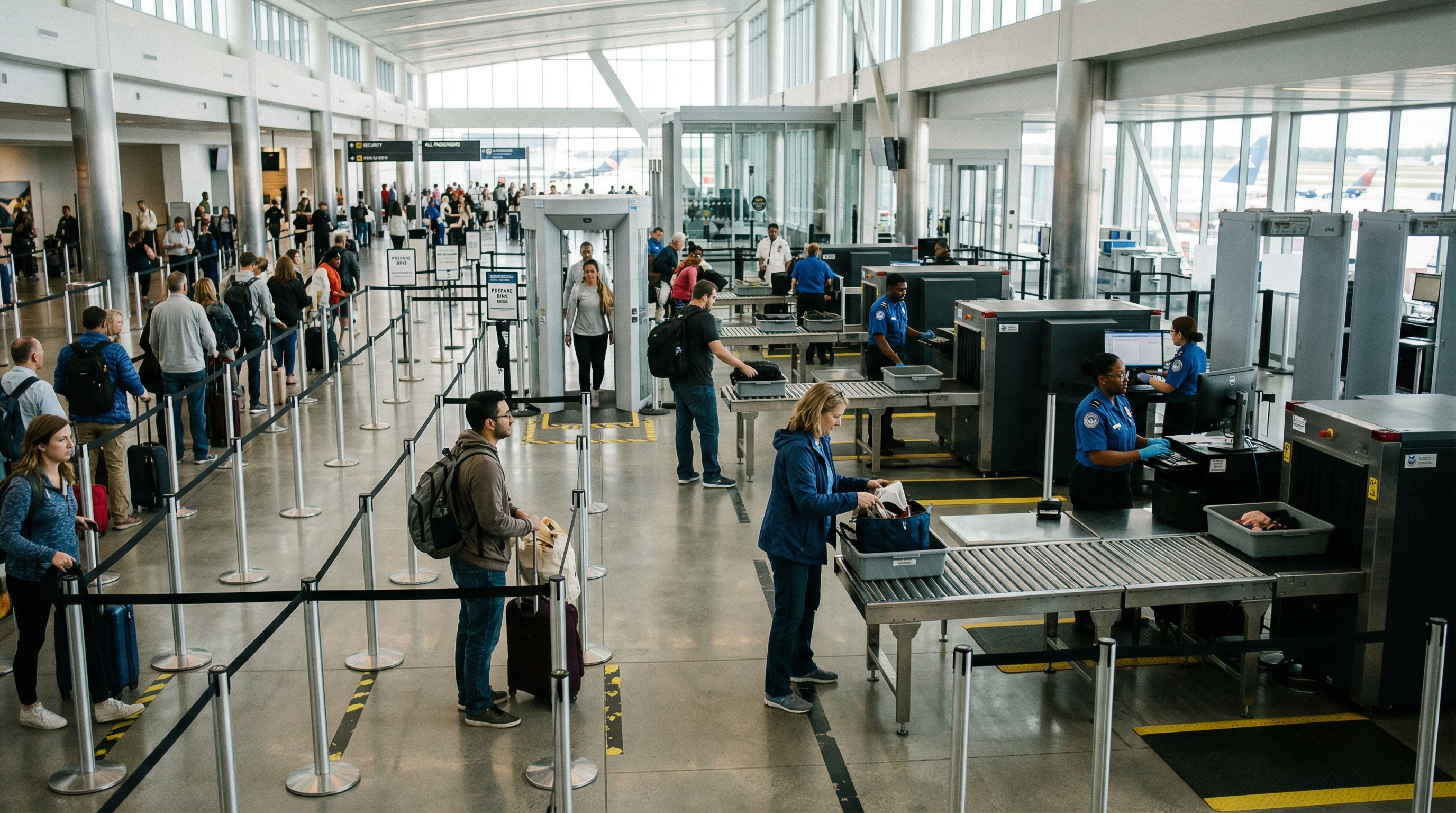
3 picks
Best TSA Approved Locks for 2026
TSA-approved locks allow airport security to open your luggage with a master key instead of cutting your lock. The Master Lock 4688D and Forge TSA locks are consistently the top-rated options.
Carry-On Friendly Picks
Travel Basics That Keep Security Day Smooth
If you want fewer airport surprises, these are easy wins that earn their spot in your bag.

Gonex 20L Packable Daypack
Lightweight packable backpack that compresses under airplane seats. Great personal item for budget airlines.
Offer
$22.99

Osprey Daylite 13L Backpack
Compact 13L backpack that slides under airplane seats. Padded laptop sleeve, multiple pockets.
Offer
$49.99
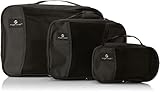
Eagle Creek Pack-It Original 3-Piece Packing Cube Set
The workhorse packing cube set trusted by frequent travelers. Durable ripstop nylon, YKK zippers, and a mesh top panel so you can see contents at a glance. Comes in small, medium, and large.
Offer
$34.95
Disclosure: Some links in this section are commercial links. We may earn from qualifying purchases or signups at no added cost to you.
Prices and availability can change.
Compare The Offers
A faster way to see which option fits your trip and price point.
Gonex 20L Packable Daypack
Lightweight packable backpack that compresses under airplane seats. Great personal item for budget airlines.
Most travelers
Amazon · Amazon
Pulled from Best Under-Seat Bags for Flying in 2026
Osprey Daylite 13L Backpack
Compact 13L backpack that slides under airplane seats. Padded laptop sleeve, multiple pockets.
Value-minded travelers
Amazon · Amazon
Pulled from Best Under-Seat Bags for Flying in 2026
Eagle Creek Pack-It Original 3-Piece Packing Cube Set
The workhorse packing cube set trusted by frequent travelers. Durable ripstop nylon, YKK zippers, and a mesh top panel so you can see contents at a glance. Comes in small, medium, and large.
Most travelers
Amazon · Amazon
Pulled from Best Packing Cubes for Travel
Gonex 20L Packable Daypack
Lightweight packable backpack that compresses under airplane seats. Great personal item for budget airlines.
Pulled from Best Under-Seat Bags for Flying in 2026
See on AmazonOsprey Daylite 13L Backpack
Compact 13L backpack that slides under airplane seats. Padded laptop sleeve, multiple pockets.
Pulled from Best Under-Seat Bags for Flying in 2026
See on AmazonEagle Creek Pack-It Original 3-Piece Packing Cube Set
The workhorse packing cube set trusted by frequent travelers. Durable ripstop nylon, YKK zippers, and a mesh top panel so you can see contents at a glance. Comes in small, medium, and large.
Pulled from Best Packing Cubes for Travel
See on AmazonCan You Bring Hearing Aids on a Plane?
Yes — hearing aids are completely allowed on planes, and you can wear them throughout the entire experience: through security, during boarding, takeoff, the flight itself, and landing. Hearing aids are medical devices and are treated differently from regular consumer electronics.
You don't need to remove hearing aids at the security checkpoint. You don't need to take them out during the flight. And you definitely don't need to worry about them being flagged or confiscated.
TSA Rules for Hearing Aids
The TSA explicitly permits hearing aids and has specific guidance:
- Wearing hearing aids through security: Fully permitted. You do not need to remove them.
- Carrying hearing aids in bags: Allowed in carry-on and checked bags with no restrictions.
- Spare batteries (disposable): Allowed in carry-on and checked bags in any quantity.
- Rechargeable hearing aids with lithium batteries: Allowed in carry-on (lithium batteries are restricted in checked luggage in quantity, but hearing aid batteries are small enough to not be a concern).
- Hearing aid cleaning supplies: Generally allowed, subject to standard liquid rules for any liquid solutions.
Can You Wear Hearing Aids Through the Body Scanner?
Yes. The TSA's body scanners and metal detectors do not damage hearing aids. Standard hearing aids will not set off a metal detector in most cases due to their small size, though it can occasionally happen depending on the model.
If the scanner or metal detector alarms, simply tell the TSA officer that you're wearing hearing aids. They may perform a brief visual inspection or pat-down, but this is routine and quick.
Wearing Hearing Aids During the Flight
You can wear hearing aids during the entire flight, including takeoff and landing. Airlines do not restrict medical devices. In fact, wearing your hearing aids is strongly recommended because:
- You'll be able to hear safety announcements clearly
- You'll be able to communicate with flight attendants and fellow passengers
- Many hearing aid users find the ambient noise management features helpful in the noisy cabin environment
Some modern hearing aids have Bluetooth connectivity and apps — these function the same way your phone does in airplane mode. The small radio signals hearing aids use don't interfere with aircraft systems.
Will Hearing Aids Trigger the Body Scanner?
Modern hearing aids are very small and often contain minimal metal. Most won't trigger a standard metal detector. Body scanners (the ones that show a generic human outline, not an X-ray) may detect hearing aids but aren't a concern — TSA agents are trained to handle this.
If you're concerned, simply tell the TSA officer at the start of screening: "I'm wearing hearing aids." This preemptively addresses any questions.
Tips for Flying with Hearing Aids
Here are some practical considerations for hearing aid wearers at airports:
- Listen carefully at the gate: Gate announcements can be muffled in busy airports. Stay near the gate and watch the departure boards in addition to listening for announcements.
- Alert airline staff: When boarding, you can inform the flight attendant that you wear hearing aids. They can ensure you receive critical safety information effectively.
- Watch for visual alerts: Many airlines have flight attendants gesture and point during safety demonstrations — this is helpful whether or not you wear hearing aids.
- Carry extra batteries: Airports and planes are not easy places to find specialty hearing aid batteries. Always pack spares.
- Use a carrying case: If you remove hearing aids during sleep on a long flight, keep them in a hard case so they're not lost or damaged.
Rechargeable Hearing Aids
If your hearing aids are rechargeable, bring the charger in your carry-on. Lithium batteries — including the small ones in modern rechargeable hearing aids — are generally preferred in carry-on luggage. The quantities in hearing aids are far below any FAA thresholds for battery restrictions.
International Travel with Hearing Aids
No country restricts the personal use of hearing aids. You can travel internationally without any special paperwork or customs declarations specifically for hearing aids. If customs asks about medical equipment, simply disclose it — there's no issue.
Pro Tips
- Mention your hearing aids to TSA before starting screening to avoid confusion
- Pack spares in your carry-on, not checked luggage, in case bags are delayed
- Bring a desiccant or dry-aid kit — humidity on long flights can affect hearing aids
- Inform airline staff at check-in if you need special assistance with announcements or safety information
- Use airport accessibility services — most major airports have assistive listening loops and captioning screens at gates
Frequently Asked Questions
Do I have to remove hearing aids at airport security?
No. You can wear hearing aids through TSA security without removing them. Simply inform the officer if asked about any devices you're wearing.
Can I wear hearing aids during a flight?
Yes. Hearing aids can be worn during the entire flight, including takeoff and landing. Airlines do not restrict medical devices.
Will hearing aids trigger airport metal detectors?
Modern hearing aids are small and may or may not trigger a metal detector. If they do, inform the TSA officer you're wearing hearing aids — this resolves it quickly.
Can I bring extra hearing aid batteries in my carry-on?
Yes. Spare hearing aid batteries (both disposable and rechargeable) are allowed in carry-on and checked bags. Bring extras in case of delays.
Do I need to declare hearing aids at customs when traveling internationally?
No special customs declaration is required for personal hearing aids. If asked about medical equipment, you can simply disclose them — there are no restrictions.
More TSA Rules & Prohibited Items Answers
Keep building context with more closely related questions in this topic cluster.
Best TSA Approved Locks for 2026
TSA-approved locks allow airport security to open your luggage with a master key instead of cutting your lock. The Master Lock 4688D and Forge TSA locks are consistently the top-rated options.
Can You Bring a BB Gun on a Plane?
Yes, you can bring a BB gun on a plane, but only in checked luggage. BB guns and air guns must be declared to the airline at check-in, transported unloaded, and packed in a hard-sided case. They are not allowed in carry-on bags.
Can You Bring a Camping Stove on a Plane?
You can bring a camping stove on a plane, but only if it's completely empty of fuel AND cleaned so no vapors or residue remain. Fuel canisters are always prohibited.
Can You Bring a Chess Set on a Plane?
Yes, chess sets are allowed on planes in both carry-on and checked bags. The TSA has no restrictions on chess sets. Standard chess pieces are fine through security — just keep in mind that metal pieces or magnetic boards may be briefly inspected.
Can You Bring a Foam Roller on a Plane?
Yes, foam rollers are allowed on planes in both carry-on and checked bags. The TSA has no restrictions on foam rollers. The main consideration is size — standard foam rollers are large and may not fit in an overhead bin or count against your bag dimensions.
Can You Bring a Hot Plate on a Plane?
Hot plates are allowed in checked luggage but banned from carry-on bags. Here's the full breakdown of TSA rules and how to pack one safely for your flight.
Disclosure: Some links in this section are commercial links. We may earn from qualifying purchases or signups at no added cost to you.
Air Travel Questions Editorial Team
Researched Against Official Travel Sources
We build guides around official TSA, airline, airport, DOT, and government guidance, then update pages as rules and policies change. Read our editorial policy. Browse our source library.
Was this article helpful?
Get travel tips and deals in your inbox
Join our newsletter for expert travel advice, packing tips, and exclusive deals — delivered weekly.